
The construction industry continues evolving toward materials that deliver desired aesthetics while overcoming the limitations of traditional options. Timber beams carry undeniable visual appeal, but their practical challenges—dimensional instability, moisture sensitivity, significant weight, and finite supply—prompt continued interest in alternatives that preserve appearance while improving performance.
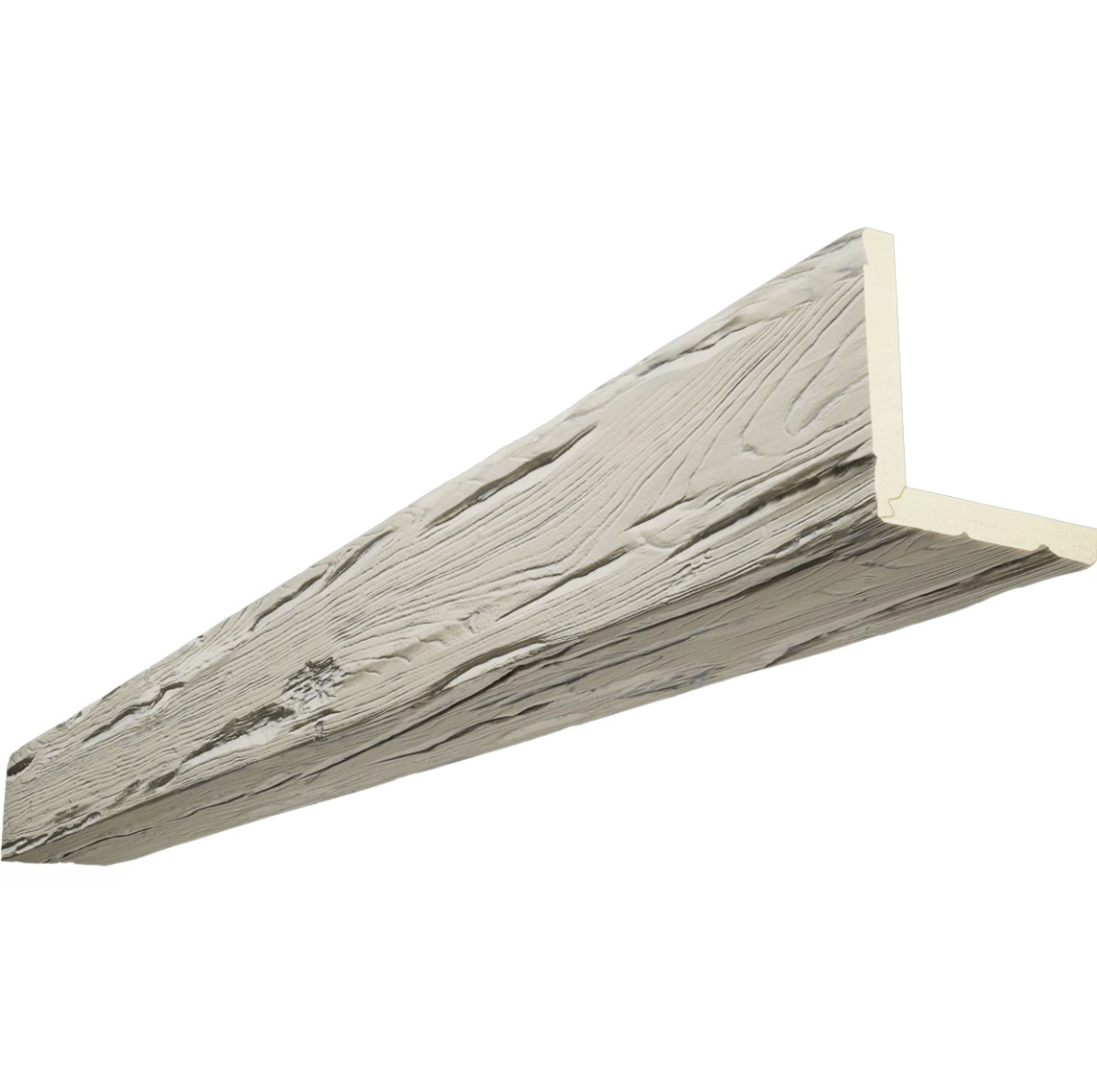
Polyurethane building material faux beams represent this evolution in ceiling styling. These products result from manufacturing processes that replicate wood aesthetics with remarkable accuracy while providing performance characteristics that timber cannot match. Understanding what these materials offer helps construction professionals, designers, and property owners make informed decisions about their use.
The Manufacturing Process
Modern polyurethane beam production combines chemical engineering with advanced manufacturing technology to achieve consistent, high-quality results. The process begins with formulation—determining the specific chemical mixture that provides desired characteristics including density, flexibility, impact resistance, and surface acceptance.
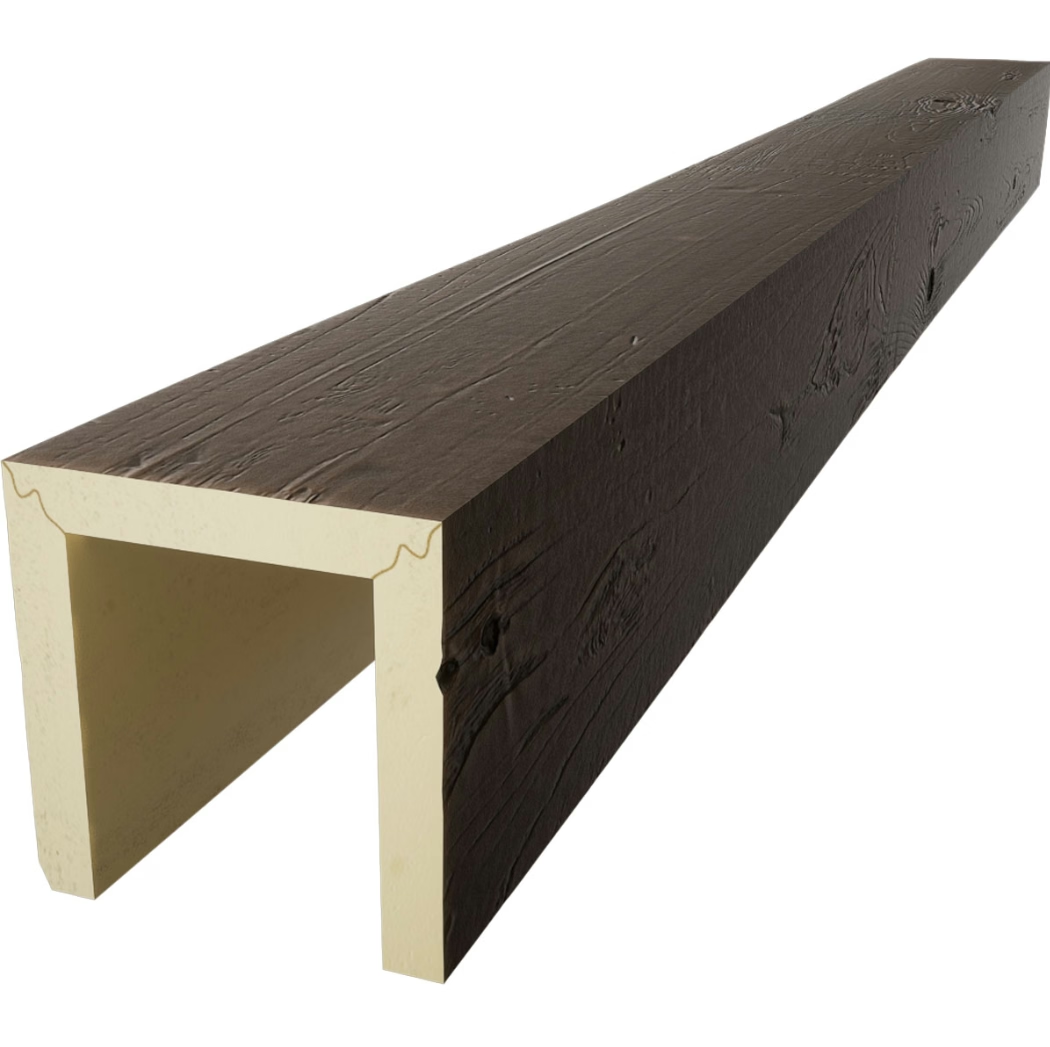
Liquid polyurethane components combine in precision-controlled mixing processes that ensure consistent reaction and proper curing. The mixture then enters molds that define the beam's cross-sectional profile with exacting accuracy. Molding pressure and temperature are carefully controlled throughout the curing process, ensuring complete reaction and optimal material properties.
Surface texturing occurs after initial curing, with specialized equipment creating wood grain patterns and other textures through controlled embossing. This step distinguishes premium products from lesser alternatives—the depth, consistency, and realism of texturing directly affect how convincing the final appearance proves.
Multi-stage finishing processes apply color and protective coatings that complete the beam's appearance. These finishes replicate the look of natural wood while providing UV resistance, moisture protection, and surface durability. The finishing system affects both initial appearance and long-term performance, making it a critical quality determinant.
Performance Characteristics
Polyurethane beams offer performance advantages that address practical concerns throughout the building lifecycle. Understanding these characteristics helps specifiers make appropriate selections and communicate benefits to clients.
Dimensional stability represents polyurethane's most significant performance advantage. Unlike wood, which expands and contracts with humidity changes, polyurethane maintains consistent dimensions regardless of atmospheric conditions. This stability prevents the gaps, cracks, and warping that affect timber beams, eliminating associated maintenance requirements and aesthetic degradation.
Weight reduction compared to equivalent timber beams simplifies handling and installation while reducing structural requirements. A beam that would require two workers to position safely can often be installed by a single person when manufactured from polyurethane. This weight advantage translates into faster installation, reduced labor costs, and less physical strain on installers.
Moisture resistance proves invaluable in challenging applications. Kitchens, bathrooms, basements, and covered exterior locations that would stress timber beams present no concerns for polyurethane. The material neither absorbs moisture nor promotes the biological growth that moisture enables in organic materials.
Design Flexibility
The manufacturing process that produces polyurethane beams enables design flexibility that timber cannot match. This flexibility manifests across multiple dimensions, supporting creative applications and customized solutions.
Dimensional customization accommodates project-specific requirements without the limitations that timber availability imposes. Custom lengths, widths, and depths can be produced to exact specifications, eliminating the compromise that inventory-based selections often require. This capability proves particularly valuable for projects with unusual dimensional requirements.
Profile variety spans from simple rectangular shapes to complex architectural profiles. The mold-based production process can create virtually any cross-sectional shape, including curves, chamfers, and integrated details that would be expensive or impossible to produce in timber. This profile flexibility expands the design vocabulary available for ceiling treatment.
Surface treatment options range from smooth contemporary finishes to aggressive rustic texturing. The same manufacturing system can produce beams across this spectrum, allowing specifiers to select the precise appearance that project aesthetics demand. This range doesn't require different materials or processes—only appropriate tooling and finishing adjustments.

Application Across Construction Contexts
New construction and renovation projects alike benefit from polyurethane beam specification. The material's versatility addresses requirements across the full range of building types and construction contexts.
New residential construction increasingly specifies polyurethane beams as standard practice, particularly in regions where timber availability or cost makes genuine beams impractical. The lightweight nature reduces shipping costs from manufacturing locations, while the consistent quality eliminates concerns about timber variability.
Renovation projects benefit equally from polyurethane's practical advantages. The installation simplicity proves valuable when working around existing construction, while the minimal dust and debris generation protects occupants who may remain in adjacent spaces. The speed of installation minimizes disruption during occupied renovation work.
Commercial construction projects—hotels, restaurants, retail spaces, and office environments—recognize the material's value for applications requiring consistent quality across multiple installations. The ability to specify exact specifications and receive matching products batch after batch supports brand consistency that timber variability would compromise.
Specification and Quality Assurance
Professional specification of polyurethane beams requires attention to appropriate standards and verification of manufacturer capabilities. Understanding what to specify and how to verify compliance ensures projects receive products that perform as expected.
Fire performance standards vary by jurisdiction and application. Most commercial applications require materials meeting specific fire ratings, and polyurethane beams can be formulated to satisfy common requirements. Documentation supporting compliance should accompany products intended for regulated applications.
Manufacturing quality systems ensure consistent production that meets specification requirements. ISO certification or equivalent quality management demonstrates manufacturer commitment to process control. Sample verification before production commitment allows appearance and quality assessment that documentation alone cannot provide.
Our specification support services assist professionals in selecting appropriate products and verifying manufacturer capabilities. Technical consultation, sample evaluation, and documentation support help ensure projects receive materials that satisfy requirements.
Contact our specification team to discuss polyurethane beam requirements for your upcoming project. Our expertise and manufacturing capabilities support professional applications across the construction spectrum.
Technical References
ASTM standards cited in every specification
Test Data
Lab results from internal testing program
Updated 2026
Reviewed against current product specs


