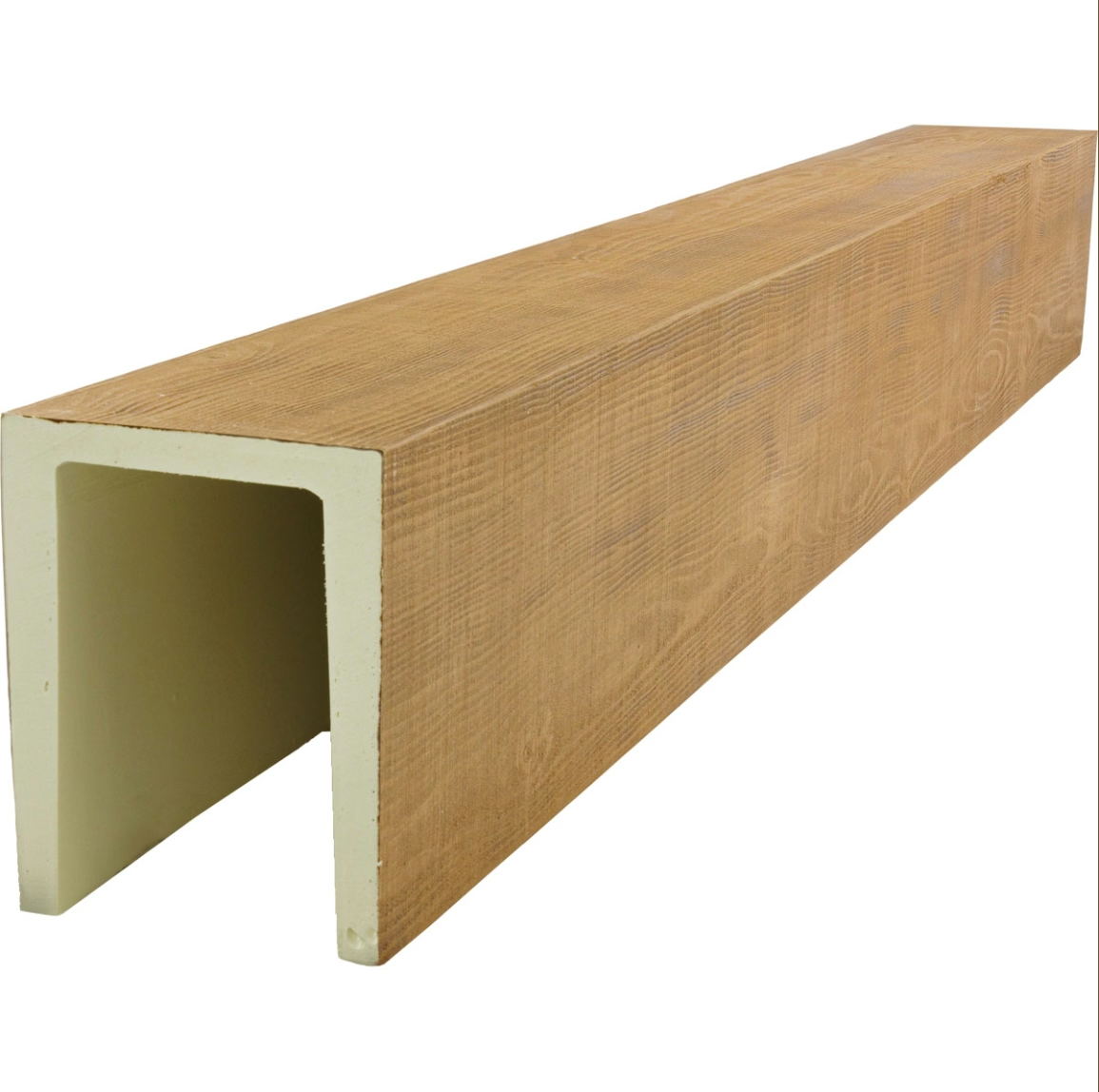
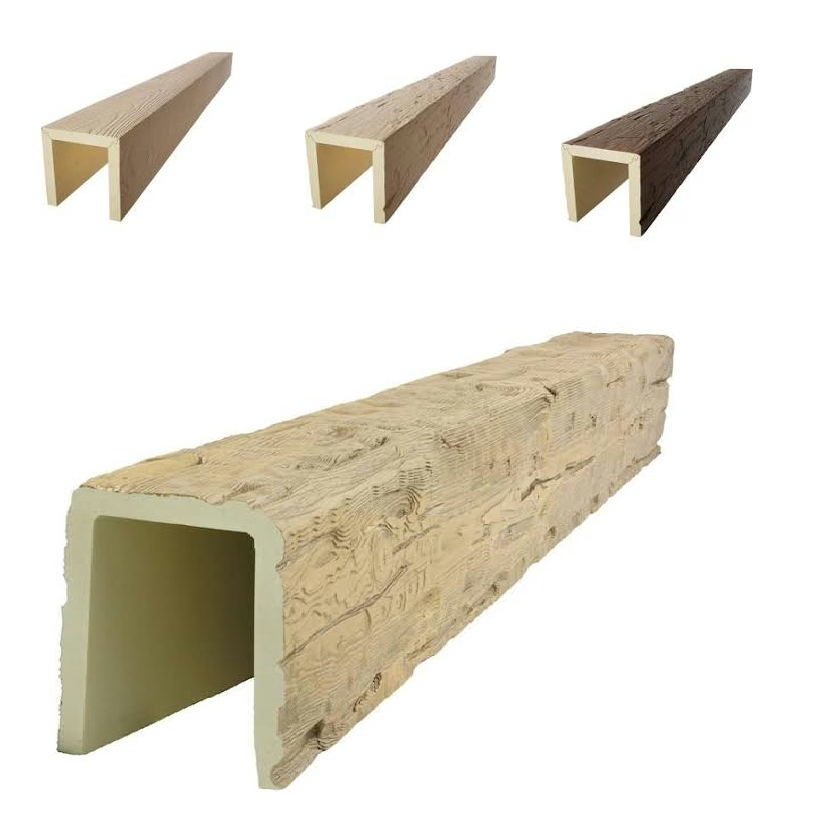
The manufacturing technology behind contemporary faux timber beams represents decades of development that have transformed what these products can achieve. Mold-capture texturing, where authentic wood surfaces serve as the basis for production molds, allows reproduction of details so fine that even close inspection reveals convincing authenticity. When combined with sophisticated finishing processes, these manufacturing advances produce beams that satisfy the most demanding design requirements while delivering practical benefits that natural materials cannot match.
Understanding how molded polyurethane beams are made helps appreciate their value proposition and informs specification decisions. The production process moves from master pattern creation through mold making to actual beam production, with quality control at each stage ensuring consistent results. This manufacturing sophistication distinguishes premium products from budget alternatives that may compromise on critical details.
The Mold-Capture Manufacturing Process
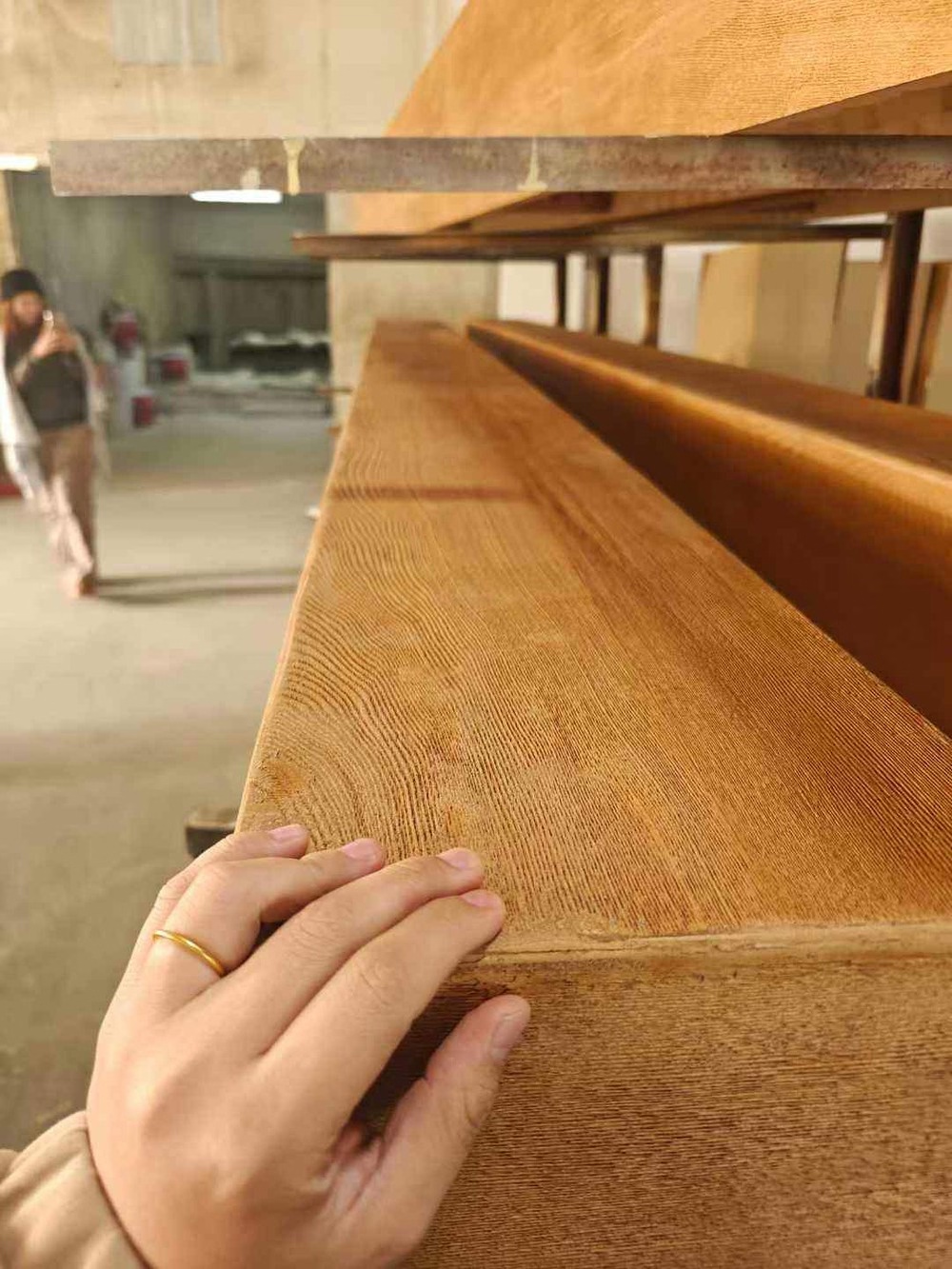
The foundation of convincing faux beam production lies in authentic master patterns that capture every relevant wood surface detail. Manufacturers typically source old timber specifically for this purpose—reclaimed beams whose weathered surfaces and aged character will serve as templates for production runs. These master patterns are carefully selected for their visual qualities and structural soundness, ensuring that resulting molds will produce beams true to their inspiration.
Mold making from authentic patterns requires specialized materials and techniques adapted from composite manufacturing. Silicone rubber compounds capture the finest surface details without damaging delicate master surfaces. Multiple mold sections allow efficient production while ensuring complete coverage of complex profiles. The resulting molds must maintain dimensional stability through hundreds of production cycles without degradation that would compromise detail reproduction.
Polyurethane casting into these detailed molds fills every depression and follows every contour precisely. The liquid material's flow characteristics ensure complete surface coverage without trapped air or voids. Curing produces solid forms that maintain captured textures throughout their service lives. This reproduction accuracy is what distinguishes premium molded beams from alternatives that simulate wood appearance without replicating authentic detail.
Texture Detail and Visual Authenticity
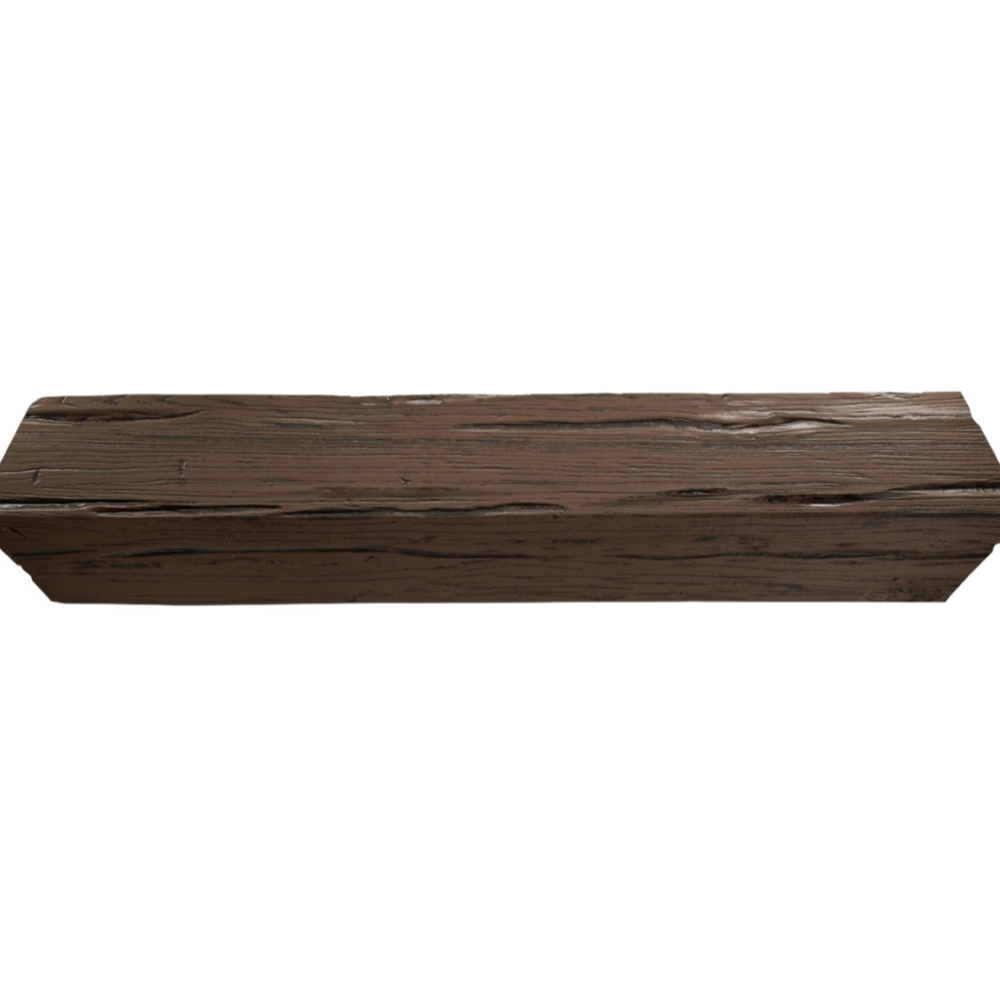
The level of detail that quality molds capture exceeds what most observers would consciously notice in finished installations. Beyond obvious grain patterns and surface contours, authentic wood features include tool marks from original milling, wear patterns from extended use, checking from seasonal movement, and erosion patterns from environmental exposure. Each of these details contributes to the overall impression of authenticity, even if no single detail dominates visual perception.
Grain rendering in production beams must balance accuracy with visual appropriateness. Natural wood grain varies dramatically across species, cuts, and individual boards. Faux beams can select grain patterns appropriate to their intended character rather than accepting whatever randomness nature provides. This selective authenticity produces results that feel correct without requiring literal replication of any specific wood sample.
The three-dimensional quality of quality molded beams creates shadow and highlight patterns that photographs cannot fully capture. Directional lighting reveals grain depth, checking, and erosion textures that flatter surfaces might conceal. This dimensional character distinguishes genuine wood-like surfaces from painted imitations that lack genuine texture.
Distressing Application to Molded Surfaces
Molded surfaces provide ideal foundation for distressing treatments that enhance authenticity. The consistent base texture accepts treatment application predictably, unlike natural wood's variable density that produces uneven results. Pre-existing grain patterns interact with distressing treatments, creating layered complexity that distressed flat surfaces could not achieve.
The distressing process for molded beams typically begins with physical treatment that enhances the inherent texture. Additional router passes, sandpaper treatment, and impact marks build upon base textures rather than creating new surfaces from scratch. This enhancement approach respects the original surface character while adding the signs of extended age that vintage distressing seeks to simulate.
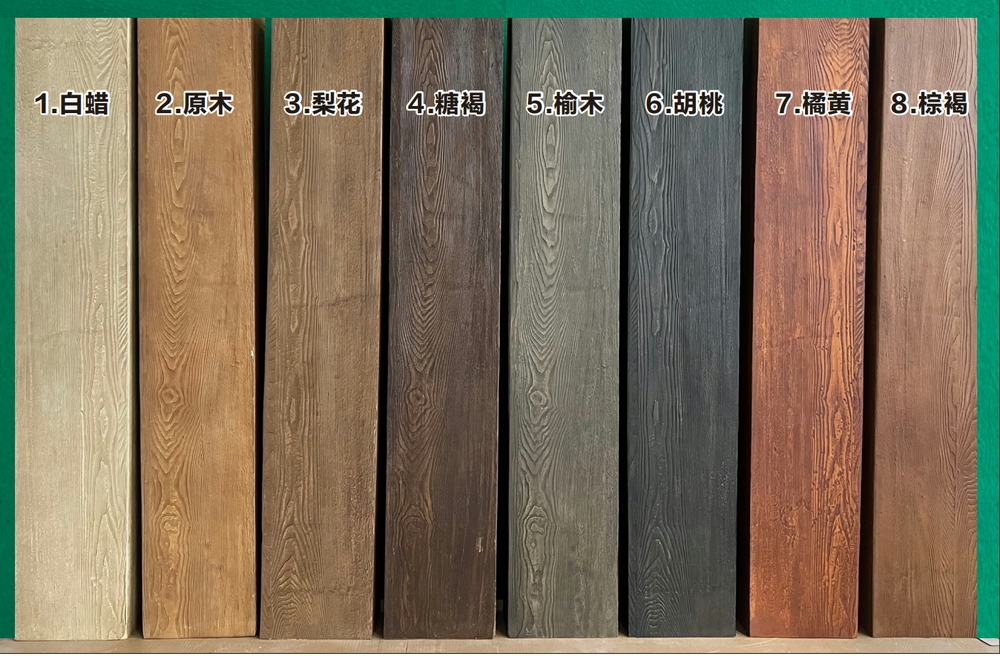
Color development follows physical treatment, using layered application techniques that build visual complexity. Base colors establish fundamental wood tones; intermediate layers add aging and weathering effects; final glazes enrich shadow areas and highlight edges. The interaction between physical texture and color treatment creates the kind of integrated character that distinguishes authentic aged surfaces from superficial application.
Quality Indicators in Molded Beam Products
Recognizing quality differences between molded beam products helps ensure satisfying project outcomes. Wall thickness provides one indicator—thicker walls suggest more substantial construction and better material economy in visible areas. Thin-walled products may show distortion under textured finishing or compromise structural integrity where mounting hardware engages.
Surface consistency across beam lengths indicates manufacturing precision and quality control. Visible seams where mold sections meet, inconsistent texture density, or color variations that suggest batch differences all indicate manufacturing shortcuts that affect appearance. Quality products maintain consistent character throughout their lengths without these telltale variations.
Warranty coverage often reflects manufacturer confidence in their products. Extended warranties—five years or more—suggest that producers trust their materials and processes to maintain appearance over substantial periods. Minimal warranty coverage may indicate uncertainty about long-term performance that specification should consider.

Application Suitability and Limitations
Molded polyurethane beams suit virtually any interior application where authentic wood aesthetics are desired. Residential applications span from single-beam accent pieces to comprehensive ceiling treatments. Commercial installations in hospitality venues, retail spaces, and public buildings benefit from the durability and maintenance advantages that polyurethane provides.

The weight advantages of polyurethane become particularly valuable in commercial applications where installation logistics might otherwise complicate beam specification. Multi-story buildings, occupied spaces, and locations with limited access all present challenges that lightweight faux beams address more easily than natural timber alternatives. These practical benefits expand the range of applications where wood-look ceiling aesthetics remain feasible.
Understanding product limitations helps prevent specification errors. While polyurethane handles normal interior conditions excellently, extreme temperature applications may exceed material tolerances. Direct UV exposure in unprotected exterior locations can degrade finishes over extended periods. These constraints are manageable through proper specification; ignoring them invites performance problems.
Specification and Selection Guidance
Professional specification of molded beams benefits from physical sample evaluation whenever possible. Photographs and descriptions cannot fully convey texture quality, color development, and overall character. Viewing actual samples under lighting conditions similar to intended installation allows informed assessment of whether specific products meet project requirements.
Profile selection should consider both aesthetic objectives and practical constraints. Complex profiles with substantial detailing require more sophisticated molds and command premium pricing. Simpler profiles sacrifice some visual richness for cost efficiency. The appropriate balance depends on project budgets and the importance of beam appearance to overall design success.
Finish selection among available options allows refinement beyond base product specifications. Different wood species, aging levels, and color treatments create options that serve varied design contexts. Working with manufacturers or suppliers who offer sample kits enables comprehensive evaluation of available choices before final commitment.
Technical References
ASTM standards cited in every specification
Test Data
Lab results from internal testing program
Updated 2026
Reviewed against current product specs