The synthesis of traditional aesthetics with contemporary material science has produced polyurethane faux wood beams that satisfy design requirements impossible to meet with natural materials. The vintage distressed finish category represents a particularly successful marriage—authentic aged character created through sophisticated manufacturing, combined with practical performance that natural wood cannot match. These beams serve design objectives ranging from subtle traditional enhancement to dramatic rustic transformation.
Understanding the fundamentals of polyurethane as a material helps appreciate its suitability for faux beam applications. This synthetic polymer can be formulated to achieve specific performance characteristics—impact resistance, temperature stability, moisture resistance—while accepting texturing and finishing that convincingly simulates natural wood. The manufacturing flexibility allows producers to optimize products for the specific demands of architectural beam applications.
Polyurethane Material Properties
The molecular structure of polyurethane provides the foundation for its performance advantages. Cross-linked polymer chains create three-dimensional networks that provide strength and dimensional stability. These molecular arrangements resist the moisture absorption that causes natural wood to swell, warp, and decay. The material's cellular structure can be controlled during manufacturing to achieve specific density and impact resistance characteristics.
Physical properties of architectural polyurethane include low thermal conductivity that prevents condensation formation on beam surfaces in humid conditions. This thermal performance proves beneficial in climate zones where interior humidity fluctuates seasonally. The material's dielectric properties prevent electrical conduction, making beams safe near electrical installations even if wiring problems develop.
Impact resistance represents a particularly relevant performance characteristic for beam applications. While natural wood can dent or split under impact, quality polyurethane absorbs and distributes impact forces without permanent damage. This resilience proves valuable in busy households where ceiling beams might receive accidental contact during furniture moving or activities.
The Vintage Distressed Aesthetic
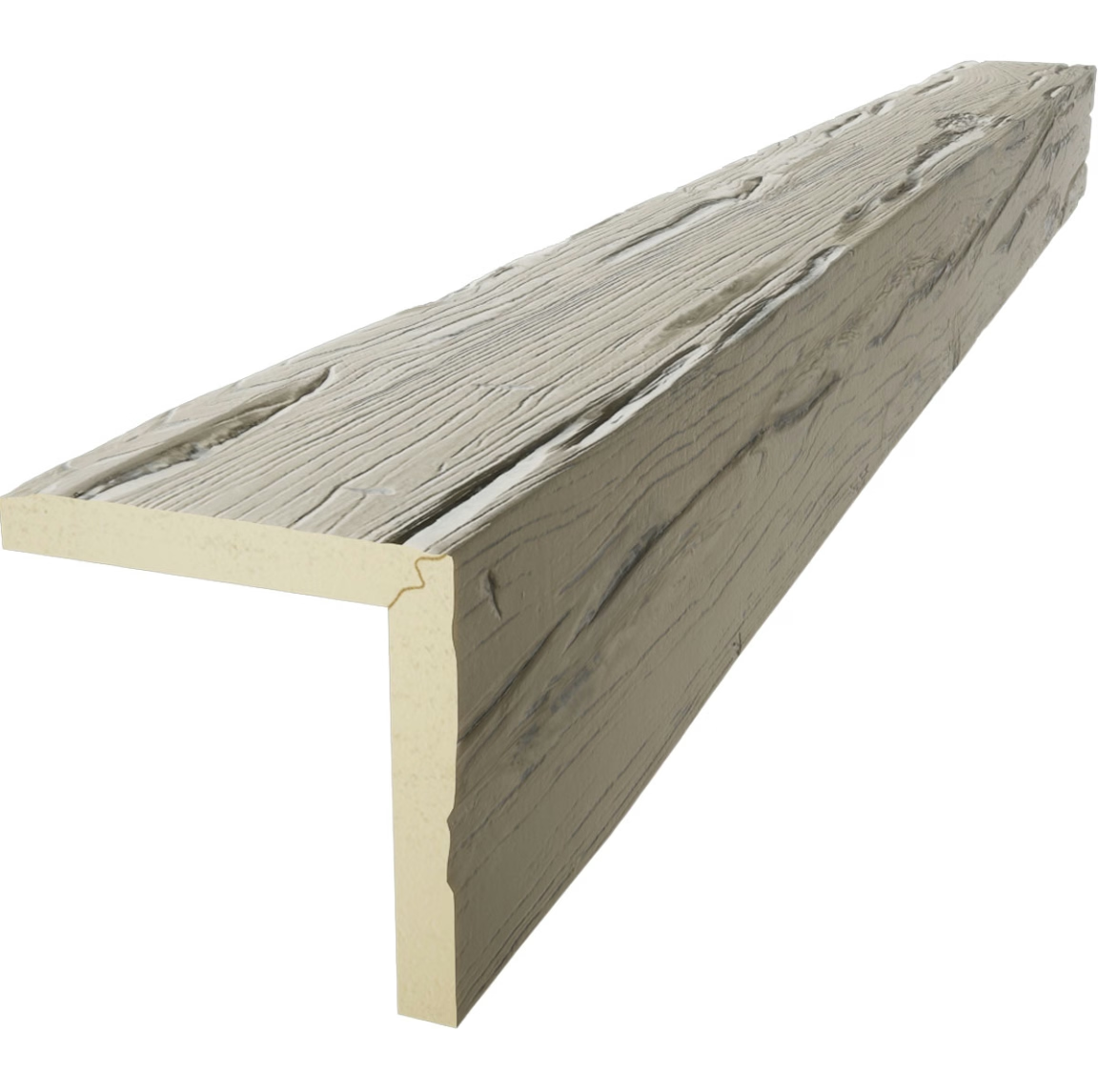
Vintage distressing simulates the accumulated effects of extended aging that genuine antique timber displays. This aesthetic has become highly valued as design culture increasingly appreciates the character that authenticity provides. The challenge lies in creating convincing distressing that reads as organic rather than manufactured—a goal that sophisticated faux beam producers have largely achieved.
The visual language of vintage distressing involves multiple overlapping signs of age. Surface wear appears in patterns that suggest handling and contact rather than random damage. Color development shows the warm amber and subtle gray tones that extended aging produces. Structural checking and separation suggest years of seasonal movement without compromising integrity. Each of these elements contributes to overall convincing appearance.
Achieving convincing distressing requires understanding what natural aging actually produces. Surface preparation involves texturing that provides dimensional variation for subsequent treatments to interact with. Color layering builds complexity through multiple applications that each contribute distinct effects. Final detailing adds the unexpected variations that prevent manufactured appearance from becoming repetitive or formulaic.
Installation System Advantages
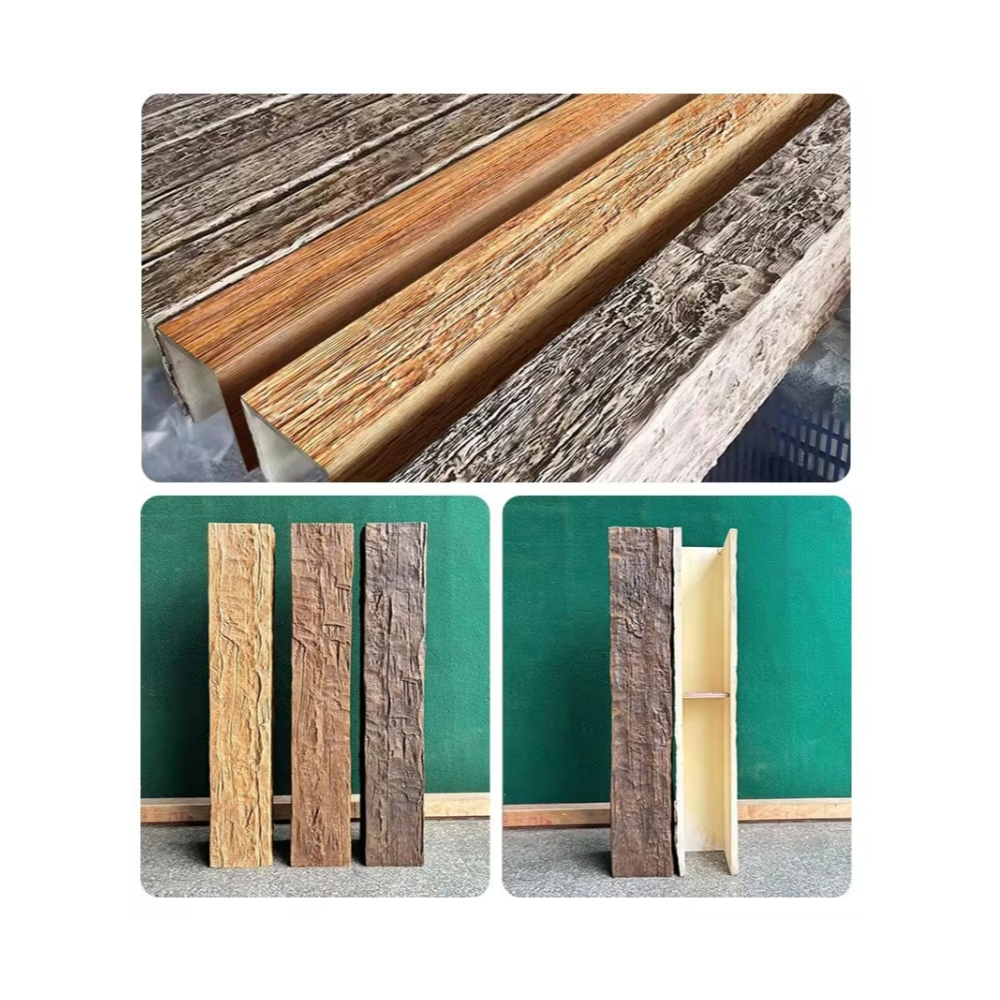
The mounting approaches designed for polyurethane beams reflect the material's specific characteristics rather than adapting timber techniques. Adhesive bonding, which would be impractical for natural timber of comparable size, works excellently with polyurethane's smooth, non-porous surfaces. The resulting bonds prove stronger than the material itself, ensuring long-term security without mechanical fasteners that might show or compromise appearance.
French cleat systems provide another installation approach well-suited to polyurethane construction. Interlocking metal shapes create hidden support that allows beams to appear floating without visible hardware. The system's adjustability accommodates the dimensional tolerances that field conditions might introduce. Load capacity proves adequate for typical ceiling beam applications where beams serve primarily decorative rather than structural purposes.
The weight advantage transforms installation logistics for ceiling beam projects. Natural timber beams requiring two or three workers to position can be installed by single individuals when specified in polyurethane. This handling simplicity reduces labor costs, enables installation in locations where heavy equipment access would prove difficult, and allows more precise positioning adjustments during installation.

Design Application Examples
Residential great rooms often feature substantial distressed beam installations that define ceiling architecture throughout open floor plans. The beams establish visual hierarchy that organizes furniture groupings and activity zones without requiring walls or partitions. This architectural guidance proves particularly valuable in contemporary housing where open plans create spatial ambiguity that deliberate ceiling design addresses.

Master bedroom applications might use more restrained beam treatments—perhaps a single dominant beam crossing above the bed or complementary beams defining a sleeping zone within larger room volumes. These modest interventions add substantial character while maintaining the calm atmosphere that bedrooms require for rest and relaxation.
Kitchen installations benefit from polyurethane's practical advantages particularly. Grease and moisture resistance handles cooking-related challenges that might affect natural wood finishes. Easy cleaning maintains appearance despite kitchen humidity and activity levels. The durability that polyurethane provides ensures that ceiling aesthetics remain fresh despite the demanding environment.
Maintenance and Care Requirements
The maintenance simplicity of polyurethane beams represents one of their most significant advantages over natural alternatives. Natural wood requires periodic refinishing to maintain appearance as surfaces wear and finishes degrade. Polyurethane beams maintain their original appearance indefinitely under normal interior conditions without any maintenance intervention beyond occasional cleaning.
Cleaning procedures for polyurethane beams involve nothing more sophisticated than dusting or light damp wiping. The non-porous surface rejects dust accumulation compared to textured natural wood, requiring less frequent cleaning to maintain satisfactory appearance. Stubborn stains yield to mild cleaning solutions that would damage natural wood finishes.
Protection from unusual exposure conditions extends beam service life and maintains appearance quality. Direct UV exposure through windows or skylights may cause gradual color shift over extended periods; UV-stabilized finish options address this concern. Physical protection from impact damage prevents dents or scratches that would require repair.
Making Informed Specification Decisions
The range of available polyurethane beams spans substantial quality and price variations. Understanding what distinguishes premium products from budget alternatives helps ensure satisfying project outcomes. Surface detail quality, color development sophistication, and structural consistency all vary across manufacturers and price points.
Sample evaluation before specification commitment allows direct comparison of available options. Physical samples can be viewed under actual installation lighting conditions, enabling informed assessment of whether specific products meet project requirements. Photographs and descriptions cannot convey the full sensory experience that beams provide.
Working with experienced suppliers who understand product differences simplifies specification complexity. Professional guidance helps navigate the options available, suggesting appropriate products for specific applications and budgets. This consultation investment typically prevents specification errors that might otherwise prove costly to resolve.
Technical References
ASTM standards cited in every specification
Test Data
Lab results from internal testing program
Updated 2026
Reviewed against current product specs


