California's old-growth redwood forests produced timber of legendary quality and beauty. These ancient trees, some living for two thousand years or more, grew to extraordinary heights in the mild, foggy climate of the Pacific coast. The wood they produced was remarkable: naturally resistant to decay, exceptionally stable, and possessed of a distinctive reddish coloration that deepened with age into rich, warm tones that designers have prized for centuries.
Today, old-growth redwood exists only in protected reserves and scattered historic structures. The massive beams and boards that built California's iconic structures—coastal resorts, grand homes, and commercial buildings—have become precious artifacts, their availability limited and their cost beyond reach for most applications. Yet the demand for redwood aesthetics remains strong, driving interest in high-quality reproductions that capture the essential character of this remarkable material.
The Unique Properties of Old-Growth Redwood
Understanding what distinguished old-growth redwood helps inform the selection of authentic-feeling reproductions. These trees grew under conditions impossible to replicate in managed forests: competition from neighboring giants forced slow vertical growth, while the coastal climate provided consistent moisture without the temperature extremes that stress other species. The result was wood of exceptional quality that modern forestry cannot produce.
The grain patterns of old-growth redwood differ markedly from second-growth material. The slow growth produced extremely tight annual rings, creating the fine, even texture that distinguishes premium redwood from coarser alternatives. Subtle flame patterns occasionally appear where grain deviates from its normal course, creating the dramatic figure that makes select redwood pieces so prized.
Natural durability represents perhaps redwood's most valuable characteristic. Heartwood redwood contains extractive compounds that resist decay, insect attack, and moisture damage. This natural resistance allowed historic redwood structures to survive for generations with minimal maintenance, a property that made the species particularly valuable for exterior applications. Interior use captures this durability while enjoying the aesthetic benefits without exposure concerns.
Color development in redwood follows a distinctive trajectory. Freshly milled heartwood presents pinkish-salmon tones that gradually darken through exposure to warm amber, rich reddish-brown, and eventually deep mahogany. The specific coloration depends on exposure conditions, with protected surfaces retaining lighter tones while exposed areas develop more dramatic coloration.
Replicating Redwood Character in Polyurethane
Creating convincing old-growth redwood reproductions requires attention to the specific characteristics that distinguish this species from other timbers. The color palette, grain patterns, and surface qualities all require careful engineering to achieve authentic appearance.
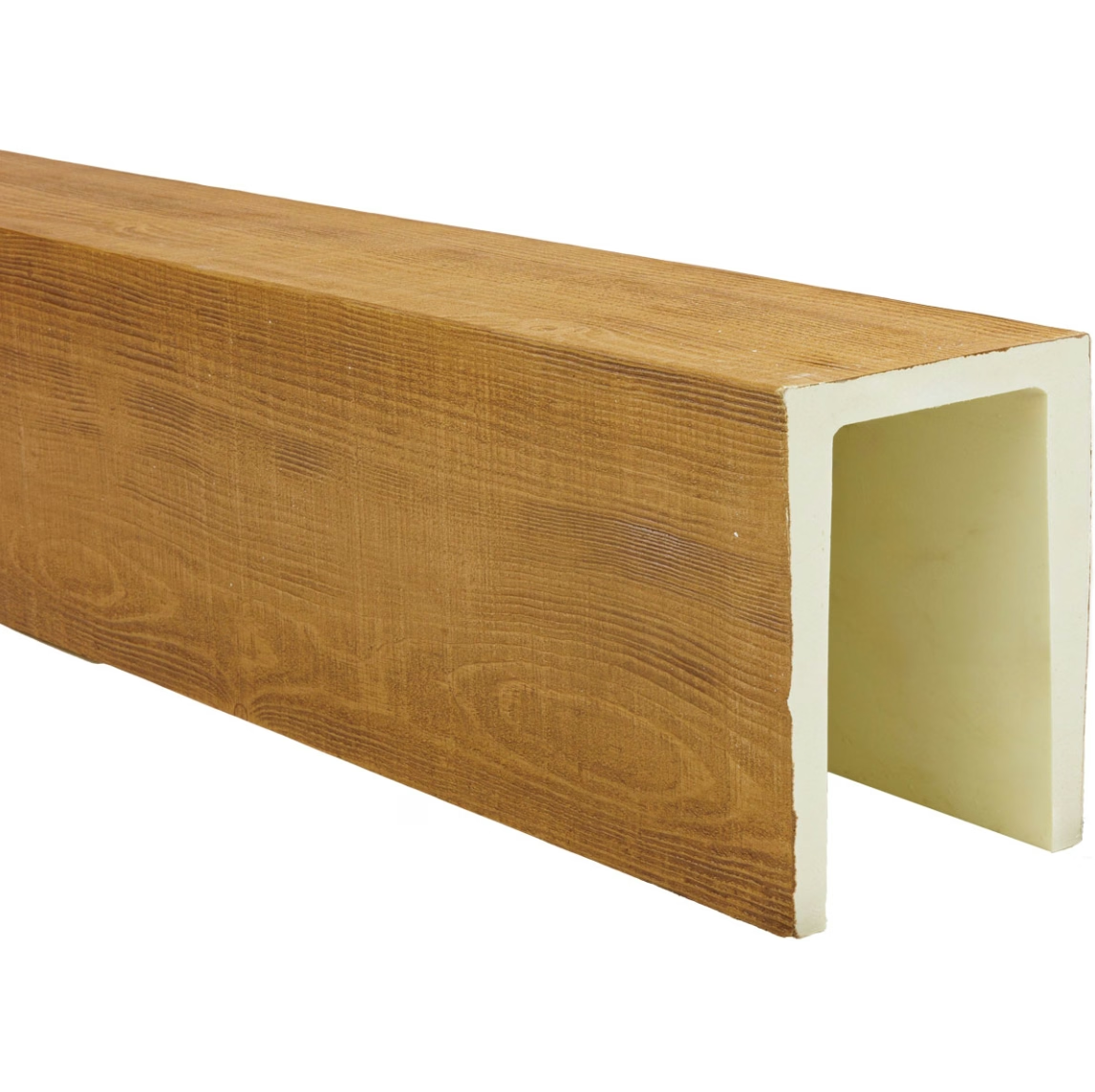
Color selection for redwood faux beams must capture the warm, saturated tones that define the species. The base coloration should present pinkish-red undertones rather than the yellow-brown of fir or the grey-brown of weathered barn wood. Layered finishing techniques build the dimensional coloration that distinguishes genuine redwood from flat-painted imitations, with deeper tones in grain depressions and highlights on raised surfaces.
Grain reproduction for redwood requires fine detail with subtle variation. The tight, even texture of old-growth material should be clearly visible without appearing mechanical or repetitive. Quality molds capture authentic redwood grain with sufficient detail to satisfy close inspection while maintaining the overall flow and character of the species.
The natural luster of redwood presents a particular replication challenge. Genuine redwood surfaces have a subtle satiny sheen that develops with fine sanding and light finishing. Polyurethane faux beams can achieve similar effects through careful surface preparation and appropriate finish formulation, creating surfaces that catch light in pleasing ways without appearing artificial.
Design Applications for Discerning Spaces
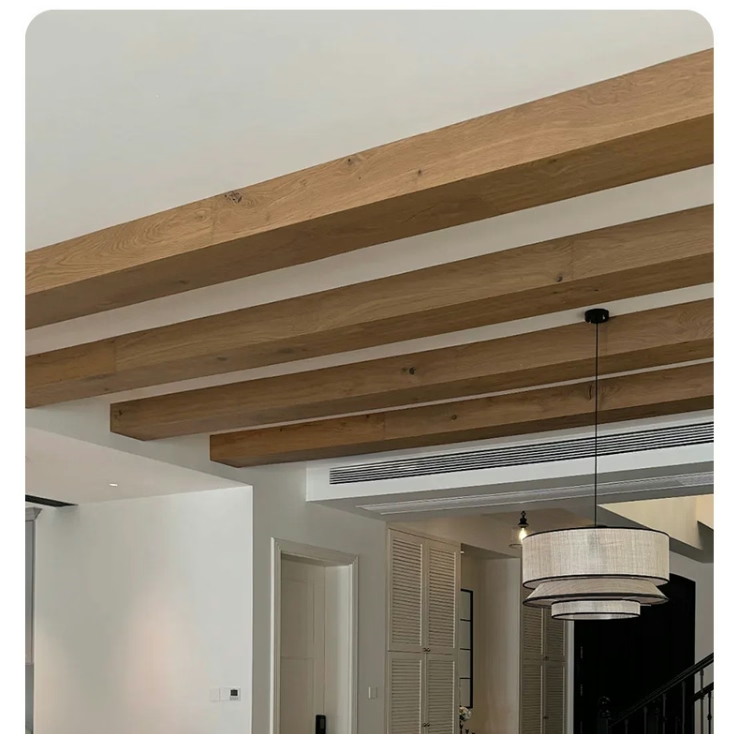
Old-growth redwood aesthetics suit applications where quality and refinement matter. Unlike more rustic timber styles that emphasize weathering and age marks, redwood presentations typically highlight the wood's natural beauty through refined installation and minimal competing detail.
Great rooms and living areas benefit from the warmth and sophistication that redwood faux beams provide. The species' natural elegance elevates these spaces without the heaviness that some rustic alternatives introduce. Beams can serve as the room's primary decorative element while allowing furniture and accessories to complement rather than compete with the overhead treatment.
Bedroom suites gain warmth and intimacy from redwood beam installations. The softer character of this species compared to more rustic alternatives suits the private, relaxing nature of sleeping spaces. A single substantial beam crossing the ceiling's centerline adds architectural interest without overwhelming the intimate scale appropriate for these rooms.
Home offices and libraries represent underutilized applications for redwood aesthetics. The sophisticated warmth of heritage redwood creates environments conducive to focused work while avoiding the coldness that some office environments project. The natural beauty of redwood beams provides visual interest that prevents these spaces from feeling sterile.

Coordinating Redwood Beams with Interior Elements
Successful redwood beam installations require thoughtful coordination with surrounding materials and finishes. The warm, saturated tones of redwood create strong visual presence that should be supported rather than competed with by adjacent elements.
Stone surfaces in appropriate tones complement redwood beautifully. Warm-toned granite, travertine, and limestone all work well with redwood's color palette. Cool grey stones require more careful integration to avoid clashing undertones. When in doubt, warm earth tones provide safer coordination than cooler options.
Metal hardware should reinforce the warm, refined character of redwood rather than introducing contrasting coolness. Bronze, brass, and copper fixtures complement redwood aesthetics naturally. Black iron can work in more rustic presentations but should be used thoughtfully to avoid introducing harsh contrast.
Upholstery and textile selections should draw from complementary warm palettes. Leather in cognac, saddle, and similar tones harmonizes with redwood. Linens and velvets in cream, warm white, and earth tones maintain the refined atmosphere that redwood helps establish. Bold colors can provide accent but should be used sparingly to avoid visual competition.
Scale Considerations for Redwood Applications
The visual weight of redwood beams should relate appropriately to room dimensions and ceiling heights. The refined character of redwood typically suits more moderate scales rather than the massive proportions appropriate for more rustic timber styles.
For typical residential ceilings, beams in the five to eight inch range provide appropriate presence without overwhelming. Larger beams can work in rooms with very high ceilings or where the installation will be the dominant design element. The key is maintaining proportion that feels natural rather than forced or excessive.
Beam spacing affects the overall visual impact of the installation. Closely spaced beams create a more formal, architectural appearance reminiscent of coffered ceilings. Wider spacing allows the ceiling plane to read more continuously, creating a more relaxed atmosphere. The choice depends on the overall design intent and the degree of formality appropriate for the space.
The direction beams run relative to room axes influences spatial perception. Beams perpendicular to the longest wall tend to make spaces feel more square. Parallel orientation emphasizes length. Consider both practical factors like joist direction and aesthetic goals when making orientation decisions.
Environmental and Sustainability Considerations
The environmental dimensions of redwood faux beam selection deserve consideration. Old-growth redwood forests, reduced to fragments of their original extent, represent irreplaceable ecological treasures. Every replica beam that satisfies demand for redwood aesthetics reduces pressure on remaining old-growth resources.
The carbon footprint of faux beams compared to authentic timber also favors the replica option in most cases. Polyurethane production, while not carbon-neutral, does not require harvesting, milling, and long-distance transportation of heavy timber. The logistics of shipping solid redwood beams would themselves generate significant emissions that faux alternatives avoid.
For projects where environmental considerations are paramount, some faux beam manufacturers offer products made from recycled or bio-based polyurethane formulations. These alternatives reduce virgin petroleum consumption while maintaining the performance characteristics that make polyurethane suitable for beam applications.
Installation Best Practices
Quality redwood faux beam installation requires attention to the same fundamental principles that govern all beam applications while considering the refined character appropriate to this species.
Prepare the installation site carefully, ensuring that ceiling surfaces are clean, dry, and properly prepared for adhesive attachment if that mounting method will be used. Any irregularities in the mounting surface will telegraph through to the beam installation, so take time to address subfloor issues before beginning.
Handle beams with care during installation to avoid damage to the finished surfaces. Despite their durability, polyurethane can be scratched or dented by careless contact with tools or hardware. Working carefully and methodically prevents damage that might require touch-up or replacement.
Position beams precisely before committing to permanent attachment. The refined character of redwood installations leaves less margin for error than more rustic applications where slight misalignments might be absorbed by the rougher surface character. Take time to verify alignment and make adjustments before adhesive sets or fasteners are fully tightened.
Maintaining Refined Appearance
Polyurethane redwood faux beams require minimal maintenance to preserve their appearance. The material resists moisture, insects, and the surface degradation that affects genuine wood, maintaining dimensional stability and color consistency indefinitely with basic care.
Regular dusting removes accumulated particles that might dull the surface over time. For beams in kitchens or other areas subject to grease exposure, occasional cleaning with appropriate products maintains appearance without damaging finishes. Always test cleaning products on inconspicuous areas before applying to visible surfaces.
The finish on quality faux beams resists scratching and wear, maintaining its appearance despite normal use. In the unlikely event of damage, touch-up can be accomplished using craft paints that match the original coloration. For significant damage, professional refinishing services can restore the installation to original condition.
Long-Term Value Proposition
The initial cost of quality redwood faux beams may exceed that of some alternatives, but lifecycle cost analysis typically favors these premium products. The maintenance requirements of genuine redwood—regular cleaning, occasional refinishing, vigilance against moisture and insect damage—accumulate substantial costs over the installation's useful life.
The permanence of polyurethane faux beams provides value that extends beyond mere durability. Unlike genuine timber that eventually requires replacement due to deterioration or style changes, well-made faux beams maintain their appearance and structural characteristics indefinitely. This permanence allows confident investment in complementary furnishings and finishes, knowing that the architectural framework will remain stable.
Old-growth redwood replica faux beams offer a path to legendary California timber aesthetics. By capturing the essential character of this remarkable material in a practical, durable format, these beams enable interior spaces of genuine quality and lasting beauty.
Technical References
ASTM standards cited in every specification
Test Data
Lab results from internal testing program
Updated 2026
Reviewed against current product specs


