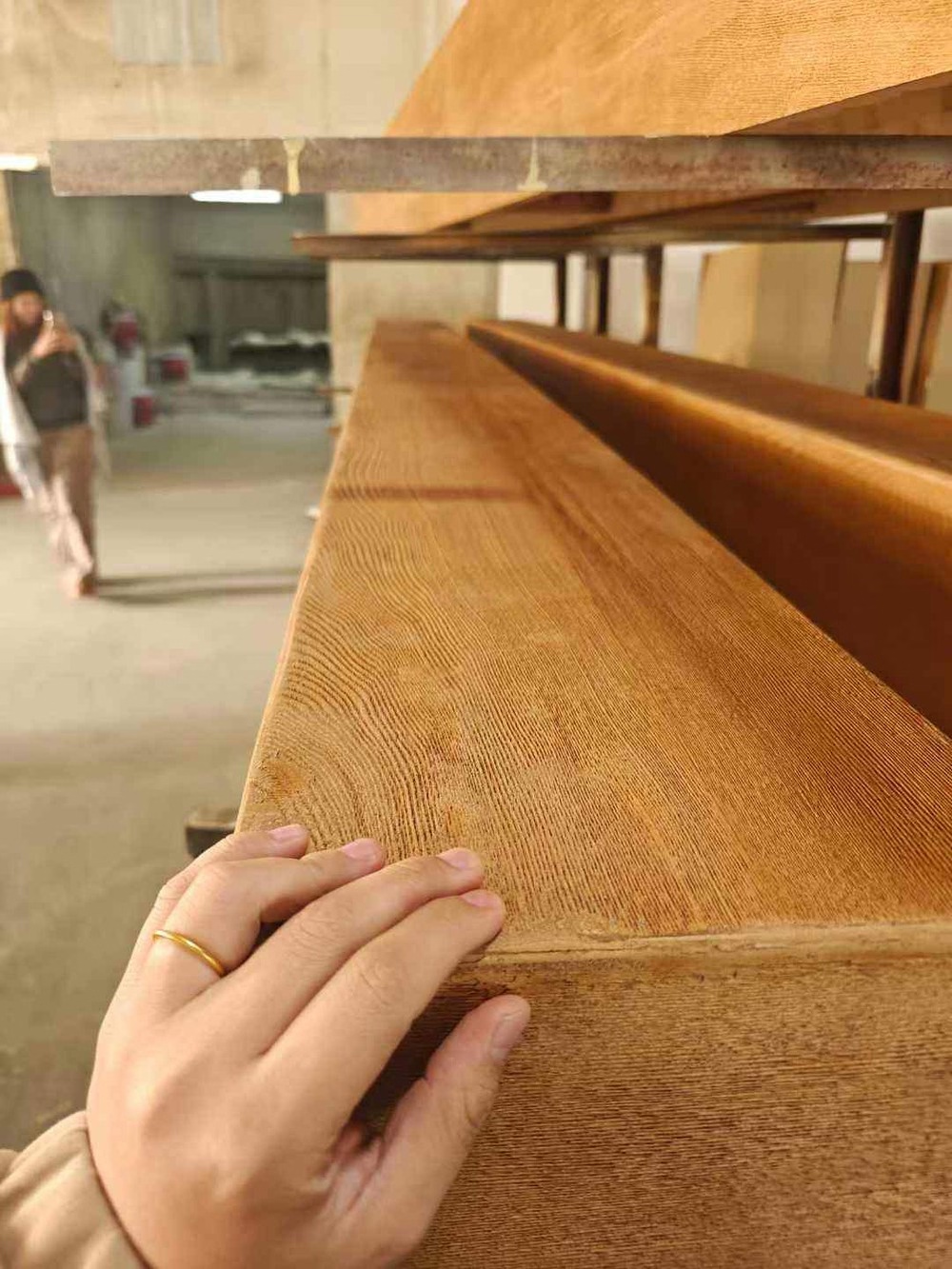
The reclaimed lumber movement has transformed how designers and builders think about materials sourcing. What was once simply the most economical option for budget projects has become a preferred choice for those who value authenticity, sustainability, and the distinctive character that only salvaged timber can provide. Yet genuine reclaimed lumber presents practical limitations that make it unsuitable for many applications: availability constraints, dimensional inconsistencies, potential for hidden defects, and costs that escalate quickly for large installations.
Reclaimed lumber look polyurethane faux beams address these limitations while capturing the essential aesthetic qualities that make reclaimed timber so desirable. These engineered products reproduce the visual character of genuine salvaged materials with remarkable accuracy, enabling authentic reclaimed aesthetics in applications where genuine materials would be impractical or prohibitively expensive.
What Defines Authentic Reclaimed Character
Understanding what distinguishes genuinely reclaimed timber helps specify faux alternatives that capture essential qualities without merely simulating surface appearances.
Age markers represent the most obvious characteristics of reclaimed timber. Decades or centuries of exposure create weathering patterns, color variations, and surface conditions that cannot be replicated through artificial distressing alone. The specific patterns depend on exposure conditions: horizontal surfaces weather differently than vertical ones, protected areas retain different characteristics than exposed sections, and the wood species itself influences how aging manifests.
Structural history contributes character that new wood cannot possess. Nail holes from previous installations, saw kerfs from original milling, mortise voids from removed joinery—these evidence of the timber's previous life add authenticity that purely decorative distressing cannot achieve. Quality faux beams incorporate these details, positioning them to suggest genuine history rather than random artificial marking.
Color complexity develops through varied exposure and use patterns. Genuine reclaimed timber rarely presents uniform coloration; instead, different areas of the same beam show dramatically different tones based on light exposure, moisture contact, and handling patterns. This natural variation creates visual richness that quality faux beam finishing reproduces through layered color application.
Engineering Authentic Appearance
Creating convincing reclaimed lumber aesthetics requires manufacturing processes that capture the essential characteristics of genuine salvaged timber. Surface treatment represents only the beginning; authentic appearance requires attention to color, texture, and detail at every level.
Mold development for reclaimed beams begins with detailed documentation of genuine salvaged specimens. Quality manufacturers study extensive collections of authentic reclaimed timber, cataloging the specific patterns, proportions, and variations that define genuine character. These reference collections inform mold creation that preserves even subtle surface characteristics.
Color finishing for reclaimed beams builds dimensional complexity through multiple layers. Base tones establish fundamental color; mid-layers add variation and highlight raised surfaces; final treatments create depth that suggests accumulated aging. The specific color palette depends on the timber species being replicated and the specific aging conditions the beam is meant to suggest.
Detail incorporation adds authenticity that surface treatment alone cannot achieve. Nail holes, saw marks, mortise voids, and other structural evidence are positioned to suggest genuine history rather than random artificial marking. These details should be subtle enough to enhance authenticity without appearing contrived.
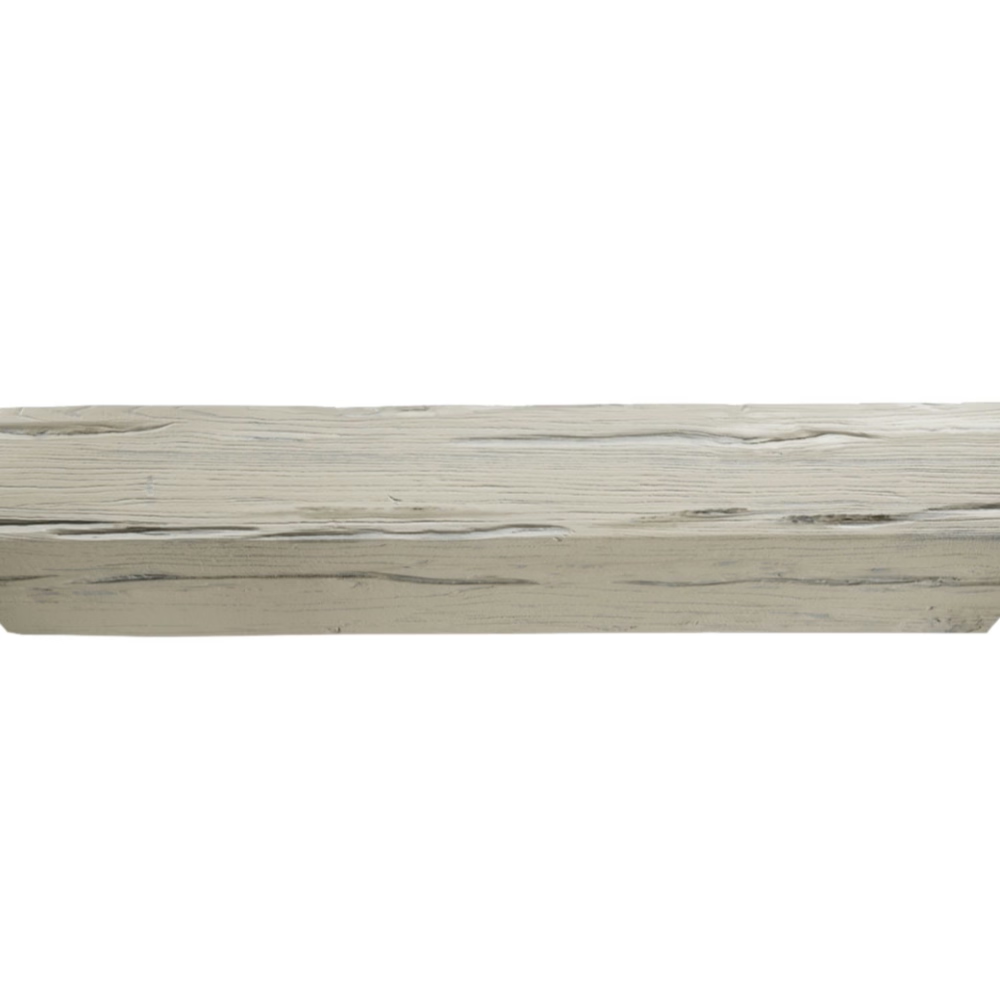
Applications Across Interior Styles
Reclaimed lumber beams work across diverse interior styles, from fully rustic compositions to sophisticated spaces that incorporate reclaimed elements within contemporary design frameworks. The key is selecting reclaimed aesthetics appropriate to the specific context.
Rustic interiors can embrace comprehensive reclaimed aesthetics, with beams throughout the space establishing dominant character. The weathered surfaces and varied colors of reclaimed beams provide visual richness that requires minimal additional decoration. Furnishings and accessories can reference similar rustic character, creating cohesive environments that feel naturally accumulated rather than deliberately assembled.
Farmhouse and country styles incorporate reclaimed beams as warm accents within more refined compositions. The beams establish rustic foundation while allowing other elements—white walls, natural textiles, vintage accessories—to balance the reclaimed weight. This integration creates spaces that feel warm and authentic without overwhelming with rustic intensity.
Contemporary interiors can incorporate reclaimed elements as deliberate contrast against clean modern backgrounds. A reclaimed beam or two in an otherwise contemporary space creates visual interest through contrast rather than through comprehensive styling. This restrained approach introduces warmth and character without committing to fully rustic environments.

Species and Style Variations
Different timber species develop different reclaimed aesthetics, each offering distinct characteristics that suit different applications. Understanding these variations helps specify reclaimed faux beams appropriate to specific design intentions.
Oak reclaimed beams feature the rich browns and distinctive grain patterns of this durable domestic species. Oak's hardness contributes to surface character that differs from softer species, with more pronounced grain and better-defined weathering patterns. The warm brown palette suits traditional and transitional interiors.
Pine reclaimed beams present softer tones and more subtle grain patterns that work in both rustic and refined contexts. The lighter color palette provides flexibility that darker species cannot match, allowing reclaimed character without strong color commitment. Pine weathers to distinctive silver-grey tones that differ dramatically from its original pale color.
Mixed species reclaimed beams, replicating timbers from buildings constructed with whatever species was locally available, offer authentic character for applications referencing vernacular architecture. These irregular compositions capture the genuine diversity of historic construction, where species selection was based on availability rather than aesthetic preference.
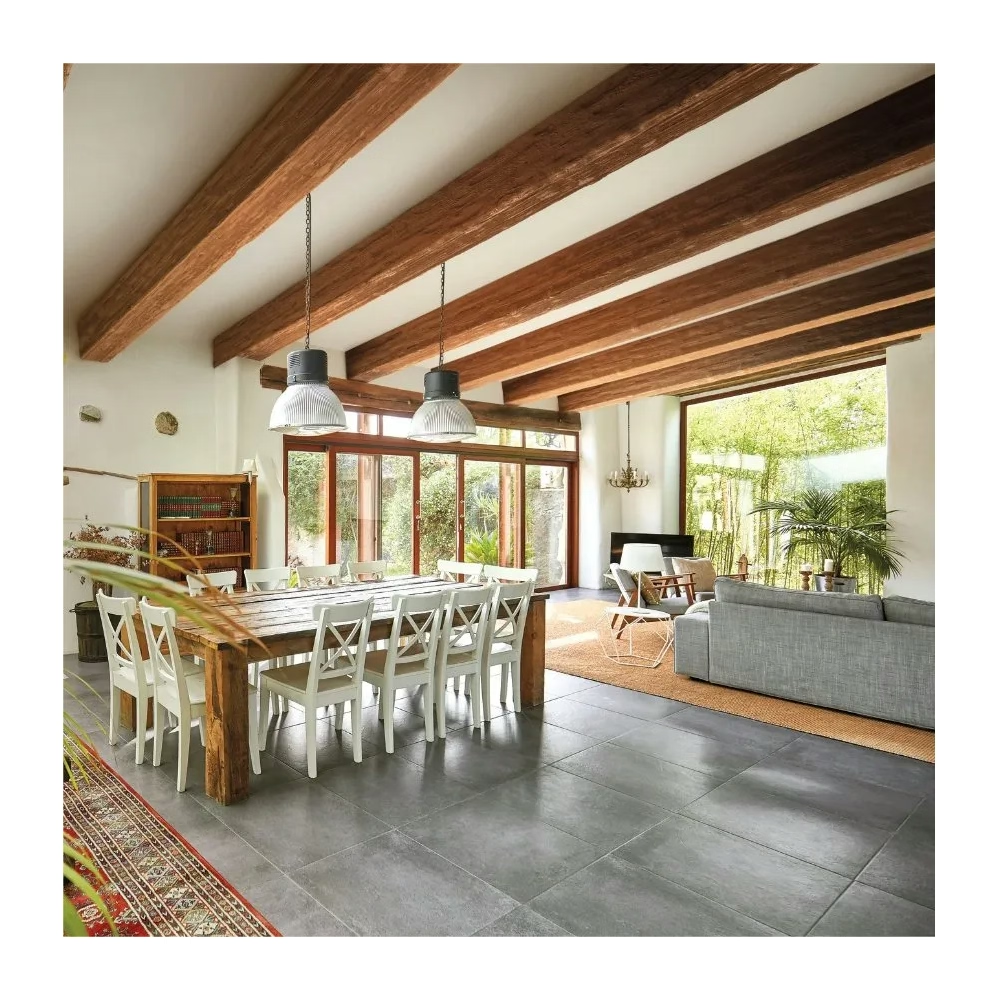
Scale and Proportion Considerations
Successful reclaimed beam installations require attention to scale and proportion that ensures authentic character without overwhelming the surrounding space. The visual weight of reclaimed beams differs from finished timbers, requiring adjusted sizing considerations.
Reclaimed beams typically appear more substantial than their dimensional equivalents in finished timber. Weathering erodes surfaces, creating slightly larger apparent dimensions that the actual measurements suggest. Specify beams that account for this visual expansion when achieving appropriate scale.
Spacing between reclaimed beams should reference historic construction practices appropriate to the specific building type. Agricultural buildings typically featured closer spacing than residential construction; commercial buildings varied based on structural requirements and aesthetic preferences. These historical precedents provide guidance for authentic-feeling installations.
The direction of reclaimed beams relative to room axes affects spatial perception. Beams spanning the shorter dimension visually compress space, creating intimacy. Those running parallel to longer walls emphasize length. Consider both practical and aesthetic factors when orienting reclaimed beam installations.
Integration with Other Materials
Reclaimed beams typically combine with other materials that either complement or contrast with their rustic character. Successful compositions balance these relationships for visual harmony.
Stone and brick surfaces complement reclaimed timber beautifully, creating the natural material combinations that characterized historic construction. The warm earth tones of many stone varieties harmonize with reclaimed wood colors; cool grey tones require more careful integration. Consider how reclaimed beams will relate to masonry elements throughout the space.
Metal accents—whether original hardware preserved during salvage, new hardware in traditional styles, or contemporary metal elements—interact with reclaimed beams in complex ways. Warm metal finishes (bronze, brass, copper) reinforce the natural palette; cool metals (iron, steel) create contrast that can add sophistication or jarring tension depending on execution.
Plaster and drywall surfaces either recede behind reclaimed beams or provide contrasting backdrop that emphasizes overhead character. White or light neutral surfaces create the high contrast typical of rustic compositions; darker wall colors create more subtle integration that might be appropriate for refined rustic settings.
Durability Advantages of Polyurethane
Beyond aesthetic considerations, reclaimed faux beams offer practical advantages over genuine salvaged timber that affect long-term satisfaction and total cost of ownership.
Moisture resistance ensures dimensional stability that reclaimed timber cannot match. Genuine salvaged wood, despite its weathered appearance, remains vulnerable to moisture-induced movement. Polyurethane faux beams maintain their dimensions regardless of humidity fluctuations, preventing the gaps, twists, and surface checking that affect reclaimed timber over time.
Insect and decay resistance eliminates concerns about hidden damage that complicate reclaimed timber specification. Genuine salvaged timber might harbor insect activity that becomes apparent only after installation; polyurethane beams resist this risk entirely. This reliability matters particularly in occupied buildings where remediation would be disruptive.
Maintenance requirements for reclaimed faux beams are minimal compared to genuine salvaged timber. While both require basic cleaning, genuine reclaimed timber often needs periodic refinishing, sealing, or other maintenance to address ongoing deterioration. Faux beams maintain their appearance indefinitely with basic care.
Sustainability Considerations
The environmental dimensions of reclaimed faux beam selection deserve consideration, particularly for projects with sustainability objectives. The comparison between faux and genuine reclaimed materials involves multiple factors.
Genuine reclaimed timber offers obvious sustainability benefits: no new harvesting, reduced landfill burden, preserved embodied carbon. These benefits are real but must be balanced against the full lifecycle impacts of salvaged material recovery, transportation, and processing.
Faux beams, while requiring new material production, offset some impacts through exceptional durability and the displacement of demand for additional salvaged material. The lightweight nature also reduces transportation emissions compared to heavy timber shipping.
For projects prioritizing authentic reclaimed aesthetics over material sourcing purity, faux beams provide a practical path to sustainable design through durability and displacement effects. The specific balance depends on project priorities and the availability of suitable genuine reclaimed materials.
Creating Authentic Reclaimed Atmospheres
Reclaimed lumber look beams enable interior compositions that capture the essential character of salvaged timber without the limitations that genuine materials present. The combination of authentic aesthetics with modern material performance creates opportunities for genuine reclaimed character across diverse applications.
Consider how reclaimed beams will serve the overall design narrative. Spaces seeking to tell stories of material history benefit from the authentic character that quality faux beams provide. Contemporary spaces seeking warmth and texture can incorporate reclaimed elements as accent rather than dominant theme.
The investment in quality reclaimed faux beams pays dividends in aesthetic satisfaction and practical performance. Spaces that achieve genuine reclaimed character without ongoing maintenance concerns create lasting value for occupants and owners alike.
Vintage reclaimed lumber look polyurethane beams make authentic reclaimed aesthetics accessible. By capturing the essential character of salvaged timber with modern engineering, these beams enable interiors of genuine quality and lasting beauty.
Technical References
ASTM standards cited in every specification
Test Data
Lab results from internal testing program
Updated 2026
Reviewed against current product specs