
The appeal of weathered timber runs deeper than aesthetics. There's an emotional quality to aged wood—the sense that it carries history, that it has served purposes beyond mere structural function. Capturing this essence in a modern material requires understanding both the visual characteristics that define weathered oak and the technical methods needed to reproduce them convincingly in polyurethane.
Our approach begins with careful observation of actual weathered timber specimens, followed by detailed analysis of the specific features that make them visually distinctive. Surface texture plays a primary role: not simply rough versus smooth, but the particular pattern of weathering that develops when oak is exposed to natural elements over extended periods. Grain patterns become more pronounced, with softer spring wood wearing away faster than denser summer growth rings.
Understanding Weathered Oak Characteristics
Oak develops its weathered appearance through a combination of physical and chemical processes. Ultraviolet radiation breaks down lignin, the natural adhesive that holds wood fibers together, causing the surface to lighten and become slightly chalky. Windborne particles—sand, dust, pollen—act as an abrasive medium, gradually eroding softer wood tissue and accentuating the harder grain lines. Rainwater leaches out tannins and other extractives, shifting the color toward grey while leaving the underlying structure intact.
This combination produces a distinctive visual signature: deep grain valleys that catch shadow, relatively smooth raised areas that catch light, and an overall tonality that falls somewhere between silver and warm ash. The process is never uniform, creating natural variations across any given piece that add visual interest and prevent the mechanical repetition that would betray artificial origins.
Replicating this process synthetically requires a multi-stage approach. Our casting process begins with molds taken from actual weathered timber, capturing the precise dimensional relationships between peaks and valleys. Surface treatment follows, using specialized techniques to modify the polyurethane surface in ways that respond to our finishing protocols. Each step contributes to the final result, building up complexity that mirrors the decades of natural aging compressed into our production timeline.
The Polyurethane Advantage
While authenticity drives our design approach, the substrate material itself represents a deliberate choice with practical implications. Polyurethane offers several advantages over natural wood that make it the logical choice for most interior applications. Weight stands as the most immediately apparent difference—our faux timber weighs approximately one-quarter to one-third of equivalent solid wood pieces, with corresponding benefits for both shipping costs and installation complexity.
Dimensional stability follows closely in importance. Natural wood expands and contracts with changes in humidity, sometimes dramatically in environments without sophisticated climate control. This movement creates gaps, squeaks, and in extreme cases, structural failure. Polyurethane absorbs these stresses without dimensional change, maintaining tight joints and consistent appearance regardless of seasonal conditions.
Moisture resistance adds another layer of practical benefit. In kitchens, bathrooms, or other areas where wood might be inappropriate, polyurethane performs without concern. The material doesn't rot, doesn't attract insects, and won't develop the mold that can plague organic materials in humid conditions. For commercial applications like restaurant dining rooms or retail spaces where cleanliness matters, this resistance to biological degradation translates directly into maintenance simplification.
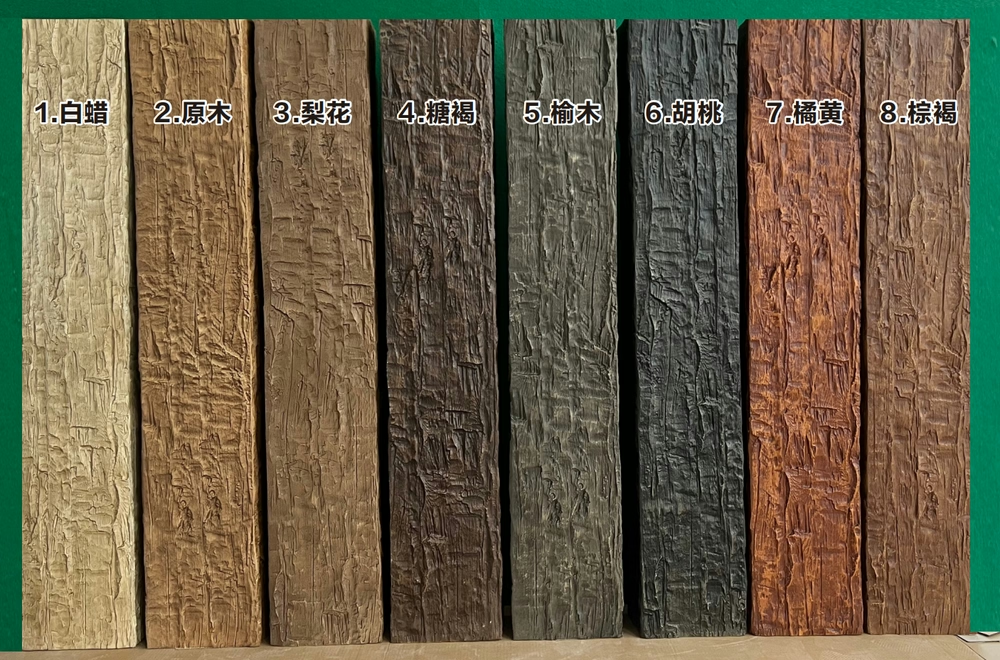
Texture Details and Finish Quality
The weathered oak texture on our faux timber includes several distinct elements that work together to create convincing authenticity. Deep grain lines, typically one to three millimeters in depth, follow patterns that mirror actual oak growth structure. These lines aren't uniform—they vary in width, depth, and character depending on the specific piece being replicated, creating the natural irregularity that defines real weathered timber.
End grain details receive special attention because they're often the first place that reveals artificial materials. Real weathered oak end grain displays characteristic checking patterns—small fractures that develop as the wood dries and ages. Our casting process captures these details with precision, and our finishing techniques enhance them appropriately, ensuring that all surfaces of the beam contribute to the overall illusion of authenticity.
Surface pitting and wear patterns complete the texture package. In real weathered timber, these imperfections result from insect activity, mechanical wear, and mineral deposits. We incorporate similar patterns into our textured surfaces, varying their frequency and intensity to avoid the repetitive quality that marks inferior reproductions. The result is a texture complex enough to reward close inspection, inviting touch rather than deflecting it.
Installation Methods for Various Applications
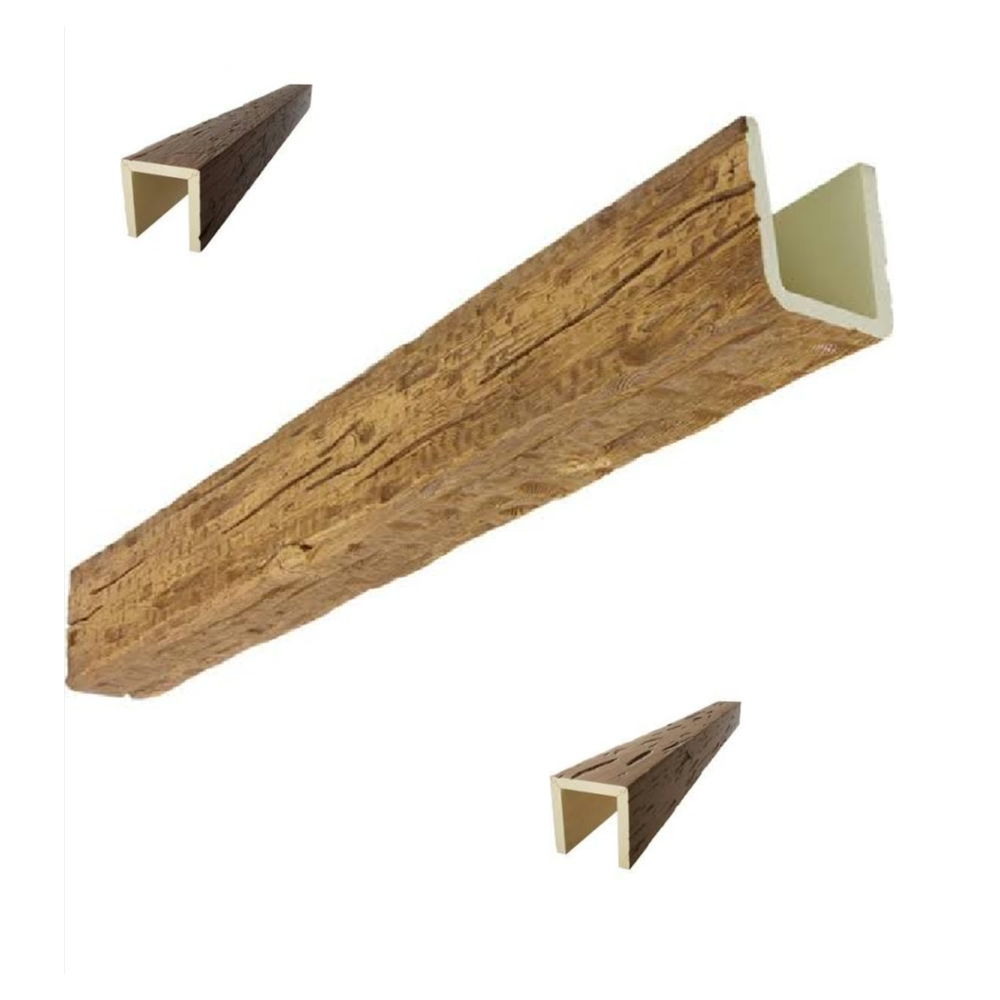
Ceiling installation represents the most common application for faux timber beams, and our products work equally well in exposed ceiling scenarios and as decorative elements mounted to finished surfaces. For exposed ceilings, beams can be mounted directly to joists or structural members, creating the appearance of genuine structural timber without requiring the load-bearing capacity that solid wood would demand.
Wall-mounted applications expand the design possibilities considerably. Faux timber sections can create wainscoting effects, frame architectural features, or serve as the primary wall covering in rustic-themed spaces. The installation approach differs from ceiling work—typically involving a French cleat system or direct mounting to wall studs—but the lightweight nature of polyurethane makes the process manageable without professional assistance.
Below-grade applications become practical with polyurethane in ways they never would with natural wood. Basement recreation rooms, wine cellars, and other below-ground spaces can feature weathered oak timber aesthetics without the moisture concerns that would make real wood impractical. The material's thermal properties also make it comfortable to touch in spaces where temperature fluctuates, avoiding the perpetually cold feel of stone or concrete alternatives.

Design Integration Strategies
Integrating weathered oak textured faux timber into existing spaces requires attention to context. The material works with diverse design vocabularies, but its success depends on thoughtful placement and complementary elements. In contemporary settings, weathered timber provides warmth and organic texture that prevent sterile environments from feeling unwelcoming. In traditional spaces, it reinforces and enhances established aesthetic commitments.
Scale matters significantly when selecting beam dimensions. Large, expansive spaces can accommodate beams of substantial proportions—twelve inches or larger in depth—which make a bold architectural statement. Smaller rooms require proportional restraint; beams that overwhelm the space create visual discomfort rather than visual interest. The goal is enhancement, not domination, and proper scaling ensures the beams contribute to spatial quality rather than competing with it.
Color coordination with existing elements deserves careful consideration. Weathered oak tones complement both cool and warm color palettes, but the specific relationships matter. Warm off-white walls and weathered oak create cozy, inviting atmospheres. Darker backgrounds make the timber stand out as a contrasting element. Neutrals provide flexibility, while bold wall colors require consultation with the weathered oak palette to ensure compatibility.
Long-Term Value and Satisfaction
Purchasing faux timber represents an investment in both immediate aesthetic improvement and long-term value retention. Unlike real reclaimed wood, which continues to age and may develop new characteristics over time, polyurethane maintains its appearance indefinitely with minimal maintenance. This consistency provides peace of mind for property owners who want predictable outcomes rather than evolving surprises.
Environmental considerations also favor polyurethane in many applications. Our manufacturing process uses efficient material conversion with minimal waste, and the longevity of the product means fewer replacements over time. For projects where sustainability matters—LEED certifications, green building requirements, or personal environmental values—faux timber often represents the more responsible choice despite its synthetic origins.
The combination of authentic appearance, practical performance, and competitive pricing makes weathered oak textured faux timber a compelling option for virtually any project where the aesthetic would be welcome. Our team welcomes inquiries about specific applications, provides samples for evaluation, and offers technical guidance for installers working with our products for the first time.
Technical References
ASTM standards cited in every specification
Test Data
Lab results from internal testing program
Updated 2026
Reviewed against current product specs


