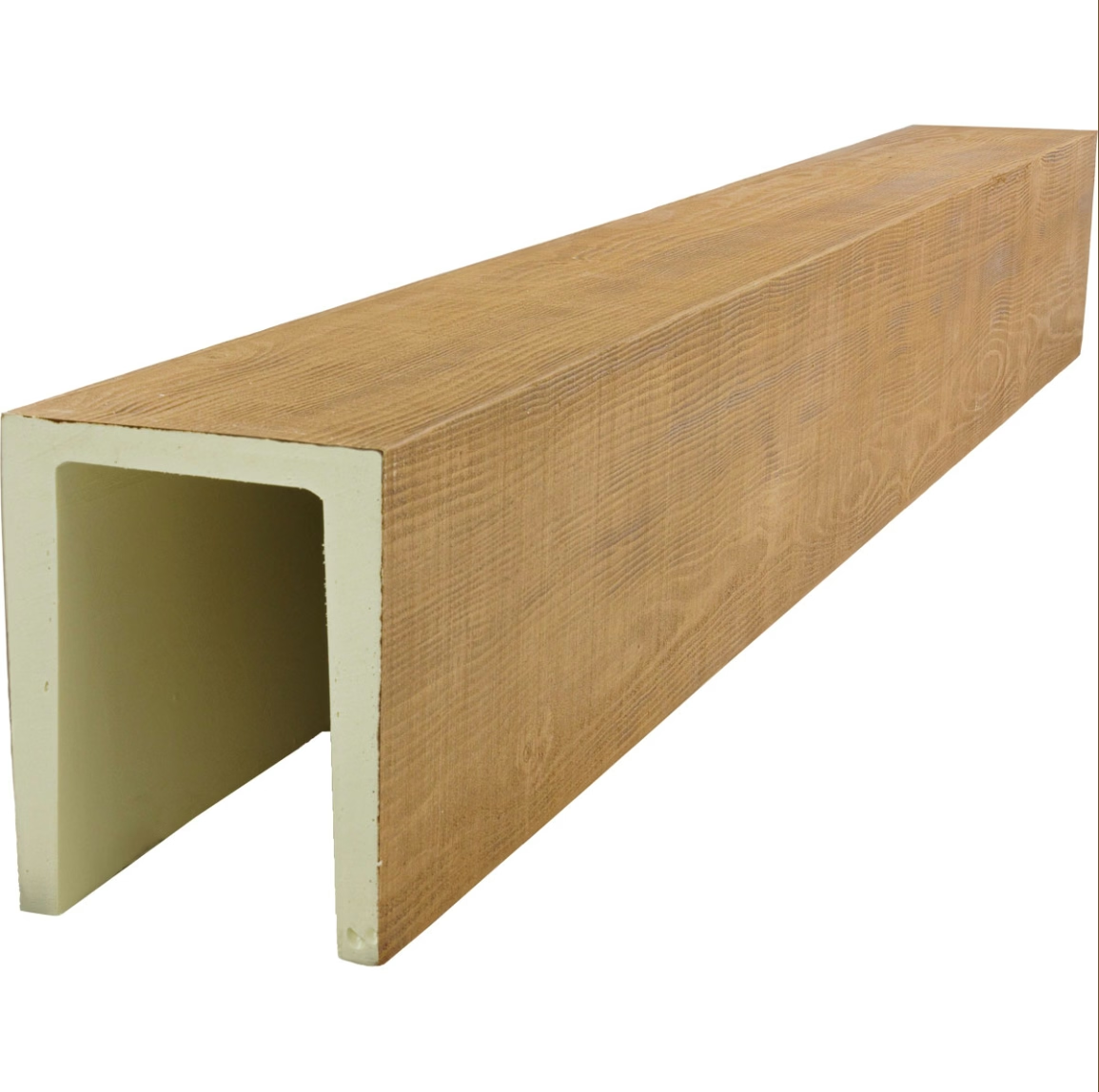
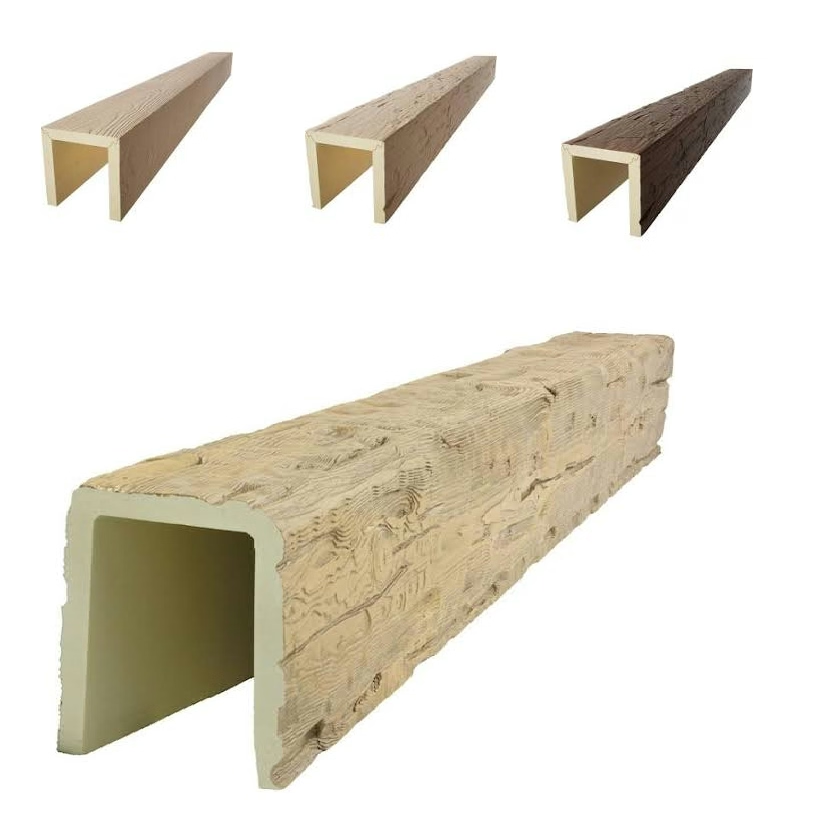
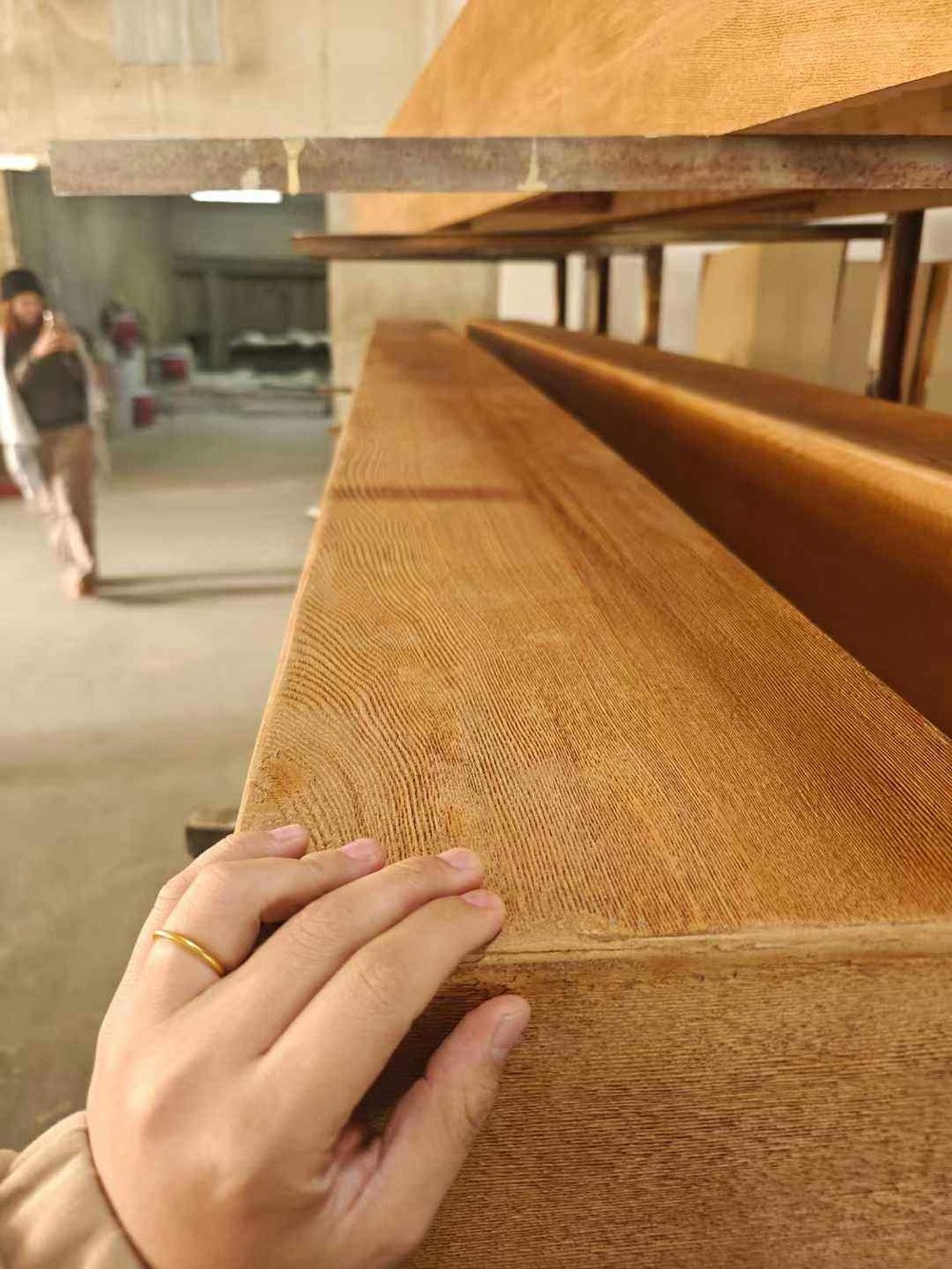
Moisture represents one of the most persistent threats to construction materials, affecting everything from structural framing to surface finishes. In ceiling applications, where gravity conspires with condensation and humidity to challenge every material, moisture resistance becomes particularly critical. Natural wood has competed against moisture for centuries, sometimes successfully but often at considerable cost in maintenance and eventual replacement. Polyurethane faux wood beams approach the moisture challenge from an entirely different direction, providing inherent resistance that eliminates the struggle altogether.
The mechanisms by which moisture damages natural wood operate at scales both visible and microscopic. At the visible scale, prolonged exposure leads to staining, surface degradation, and eventually structural compromise as the material loses integrity. At microscopic scales, moisture enables fungal growth that digests wood cell walls, creating internal weakness invisible until catastrophic failure occurs. Both mechanisms require sustained moisture exposure that polyurethane's non-absorbent surface simply refuses to provide. Water beads and rolls off polyurethane surfaces rather than soaking in, preventing the conditions that lead to damage.
Humid environments that would challenge natural wood ceilings present no difficulty for polyurethane alternatives. Bathrooms with daily shower steam, kitchens with cooking humidity, laundry rooms with moisture from dryer exhaust, and basements with persistent dampness all fall within polyurethane's comfortable operating range. These spaces often resist natural wood treatment because the ongoing moisture exposure would eventually triumph over any protective finish. Polyurethane sidesteps this eventual failure entirely, maintaining appearance and structural integrity indefinitely regardless of humidity levels.
The performance difference between natural wood and polyurethane becomes most apparent over extended exposure periods. Natural wood may perform adequately for months or even years in challenging environments before showing signs of distress. The gradual accumulation of moisture damage eventually manifests as visible deterioration that demands attention. Polyurethane beams in identical conditions show no such progression, maintaining their initial appearance without any accumulation of moisture-related effects. This consistent long-term performance distinguishes polyurethane products in applications where reliability matters most.
Temperature cycling in humid environments creates particular challenges that polyurethane handles gracefully. When warm, moist air contacts cool surfaces—as occurs when bathroom steam encounters ceiling beams—condensation forms that can saturate porous materials. Natural wood absorbs this condensation, releasing it when conditions dry, only to absorb again with the next humidity cycle. This pumping action gradually forces moisture deeper into wood structures while promoting the fungal growth that causes rot. Polyurethane's non-porous surface prevents absorption entirely, eliminating the mechanism that drives natural wood deterioration.
Marine environments present some of the most challenging conditions for construction materials, with salt air accelerating corrosion and decay that would proceed more slowly in inland locations. Natural wood in coastal homes often requires extensive protective treatment and vigilant maintenance to achieve reasonable service lives. Salt spray that would degrade wood surfaces through chemical attack and physical erosion leaves polyurethane surfaces unaffected. The material's resistance to salt exposure makes it particularly appropriate for beach houses, coastal restaurants, and maritime facilities where other materials struggle.
Commercial kitchen environments combine humidity, grease, temperature variation, and cleaning protocols that would quickly destroy natural wood ceiling treatments. Health codes in many jurisdictions require surfaces that can withstand frequent cleaning with potentially aggressive disinfectants—requirements that eliminate many natural materials from consideration. Polyurethane beams meet these demanding requirements while providing the warm wood aesthetics that many commercial kitchen designs seek. The result is ceiling treatments that satisfy both code requirements and aesthetic goals without compromise.
Installation considerations for moisture-prone environments emphasize the importance of proper hardware selection alongside beam material choice. Metal mounting components must resist corrosion that humid conditions would accelerate. Stainless steel, galvanized steel, or properly coated hardware provides the corrosion resistance that ensures mounting systems maintain their strength throughout the installation's service life. Quality manufacturers specify appropriate hardware for challenging applications, and following these specifications ensures that moisture resistance extends to the complete installation rather than just the visible beam surfaces.

The economic argument for moisture-resistant polyurethane beams strengthens considerably when considering humid applications specifically. Natural wood in high-humidity environments requires more frequent maintenance, more expensive protective treatments, and shorter replacement intervals than comparable installations in dry conditions. These accelerated costs can make natural wood prohibitively expensive over the lifetime of challenging installations. Polyurethane's consistent performance regardless of humidity eliminates these variables, providing predictable costs that simplify budgeting and improve lifetime value calculations.
Design flexibility increases when moisture resistance eliminates constraints that would otherwise limit material selection. Spaces with challenging environmental conditions often defaulted to painted surfaces or other moisture-tolerant finishes that sacrificed warmth and character. Polyurethane beams allow designers to introduce wood aesthetics into these spaces without accepting the performance limitations that natural materials would impose. The result is more consistent design language throughout buildings, with beams matching aesthetics established in drier spaces while meeting the moisture resistance that challenging conditions require.
Cleaning protocols for polyurethane beams in humid environments benefit from the same moisture resistance that protects the material during use. Surfaces can be wiped dry after cleaning without concern about moisture absorption during the cleaning process. Occasional deep cleaning with appropriate solutions removes accumulated contamination without risk of damage or discoloration. The ability to clean aggressively when necessary—without worrying about degrading finishes or saturating substrates—simplifies maintenance while ensuring that beams continue looking their best regardless of the challenging conditions they endure.
Health considerations favor polyurethane beams in environments where mold and mildew might otherwise become concerns. Natural wood in humid conditions provides food sources and growing surfaces for various fungal organisms that produce allergens, irritants, and potentially toxic compounds. Polyurethane provides no such growing medium, resisting mold colonization regardless of humidity conditions. This resistance contributes to healthier indoor air quality in sensitive applications like healthcare facilities, children's rooms, and spaces occupied by individuals with respiratory sensitivities.
Warranty coverage for moisture-resistant polyurethane beams typically reflects the material's confidence in humid environment performance. Quality products carry warranties against manufacturing defects, with reasonable expectations that beams will maintain their characteristics indefinitely in typical interior applications. This warranty security provides valuable protection for property owners who have experienced the frustration of watching natural wood deteriorate despite careful maintenance. The assurance that comes from knowing ceiling beams will perform reliably regardless of humidity levels represents genuine peace of mind.
Technical References
ASTM standards cited in every specification
Test Data
Lab results from internal testing program
Updated 2026
Reviewed against current product specs