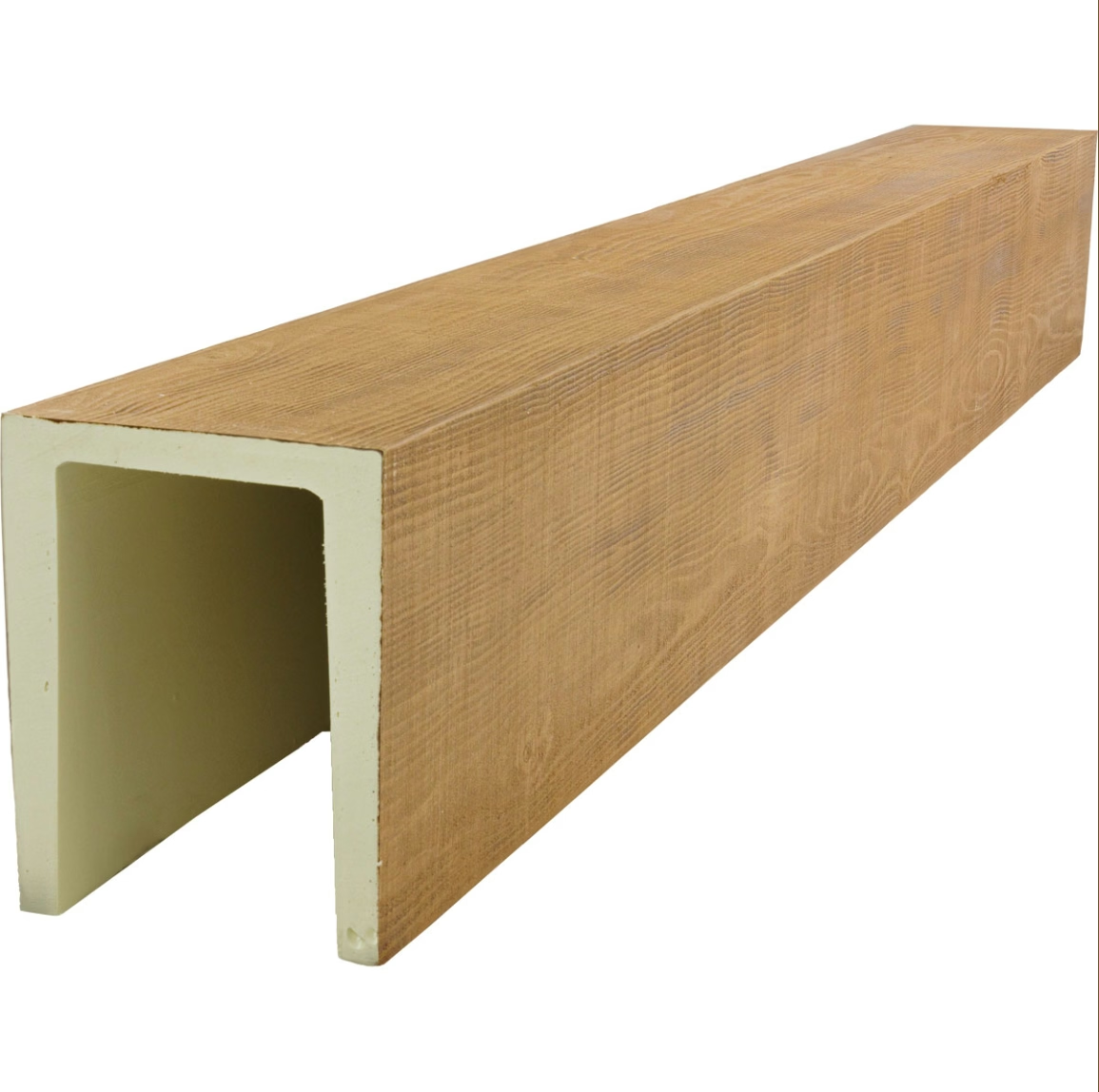
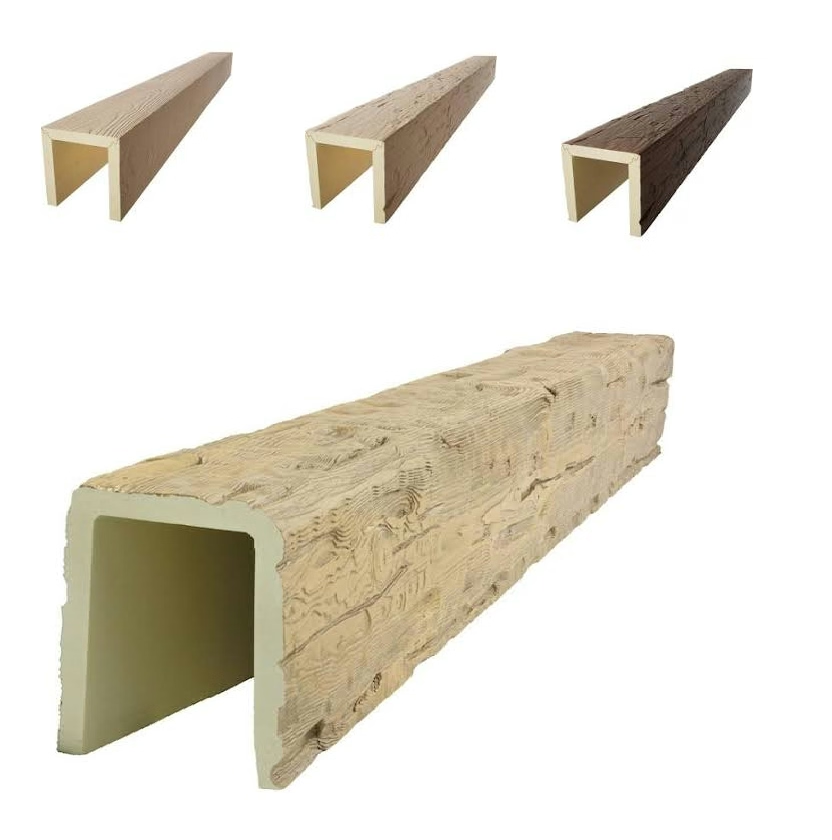
The debate between synthetic and natural materials in construction has raged for generations, but for decorative ceiling beams, the evidence increasingly favors engineered alternatives. Polyurethane faux beams represent decades of material science applied to a specific architectural need. Understanding why these products surpass real wood beams in most applications requires examining practical performance across multiple dimensions.
Builders and designers who have worked extensively with both materials consistently report that PU faux beams offer superior performance in everyday use. The reasons extend beyond simple cost considerations into fundamental material properties that affect long-term satisfaction. Homeowners making decisions about their own spaces deserve to understand these differences clearly.
Moisture Resistance That Wood Cannot Match
Water represents one of wood's greatest enemies, and ceilings face constant exposure to moisture from multiple sources. Cooking steam, bathroom humidity, condensation from temperature differentials, and plumbing leaks all threaten wood beam installations. Even treated lumber absorbs moisture over time, leading to swelling, warping, and eventually structural compromise.
Polyurethane laughs at moisture. The material is essentially waterproof—water cannot penetrate the surface or be absorbed into the structure. This characteristic proves invaluable in kitchens, bathrooms, basements, and other areas where humidity fluctuates dramatically. Install beams near a shower, above a cooking range, or in a poorly ventilated space, and watch them perform flawlessly while wood alternatives gradually deteriorate.
The implications for maintenance are profound. Wood beams in moisture-prone areas require careful monitoring, ventilation management, and periodic treatment to resist water damage. PU beams simply ignore these concerns. They remain dimensionally stable regardless of ambient humidity, never swelling or shrinking with seasonal changes. This stability means no gaps forming between pieces, no warped surfaces, and no callbacks for repairs that plague contractors using natural materials.

Weight Savings That Transform Installation
The heft of real wood beams creates immediate practical challenges. A twelve-foot solid timber beam might weigh sixty pounds or more, requiring two or three workers to position safely. The ceiling structure must support this additional load permanently, potentially requiring engineering calculations and structural reinforcement. Moving these beams through finished homes risks damage to walls, floors, and doorways.
Polyurethane beams of the same dimensions might weigh ten pounds—roughly one-sixth the weight of natural wood. A single person can easily carry, position, and install these beams without assistance. No specialized lifting equipment, no reinforced ceiling backing, no anxiety about dropped beams damaging finishes below.
These weight differences compound throughout a typical installation. A living room requiring six beams demands vastly different labor inputs depending on material choice. With real wood, you might need a crew, lifts or scaffolding, and several hours of careful work. With PU faux beams, one person working alone completes the same installation in a fraction of the time. The labor savings translate directly to project profitability for contractors or sweat equity for DIY homeowners.
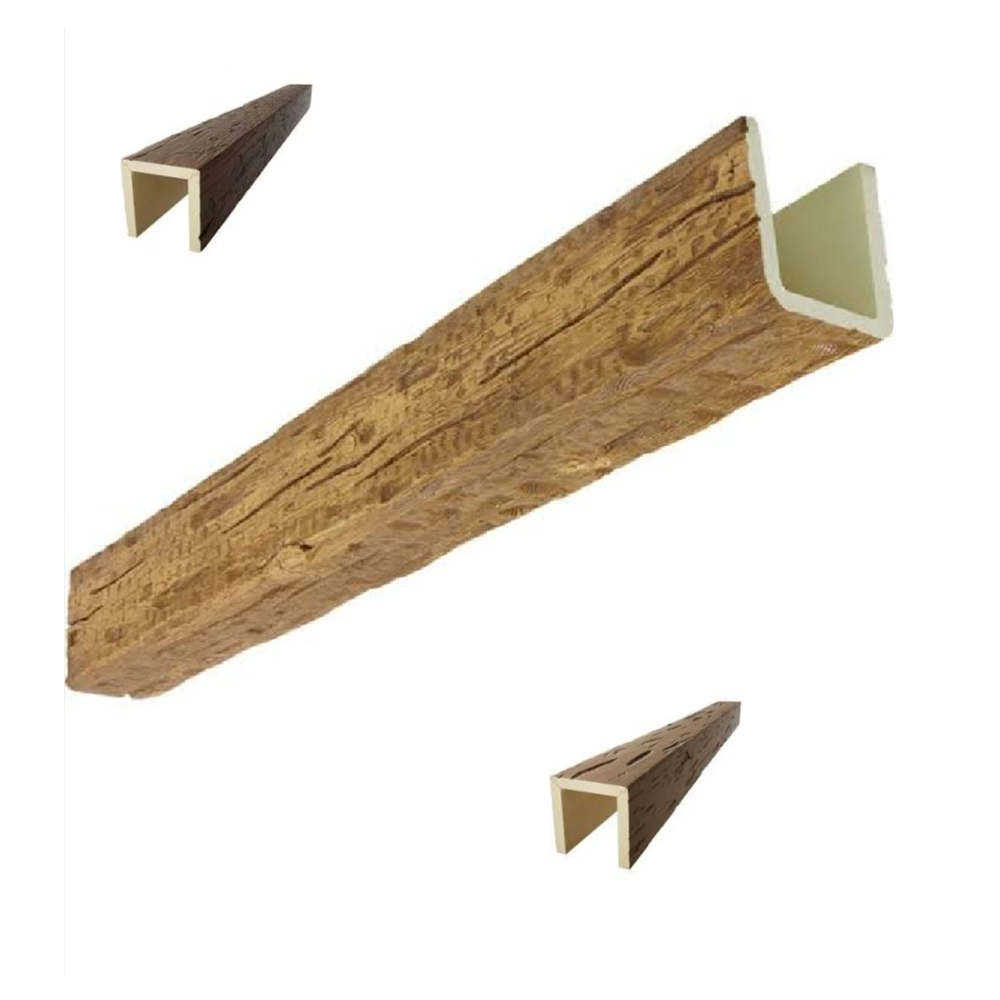
Pest Immunity That Protects Your Investment
Termites, carpenter ants, and wood-boring beetles represent serious threats to organic timber. These pests can damage structural beams without visible external signs, creating safety hazards that emerge only when catastrophic failure occurs. Regular inspections, preventive treatments, and vigilant maintenance help but cannot eliminate the risk entirely.
Insects find polyurethane entirely uninteresting. They have no interest in tunneling through or feeding on this synthetic material. This immunity applies to all wood-destroying organisms—termites, ants, beetles, and fungal decay organisms that break down natural wood over time. Your beam installation remains structurally sound indefinitely, protected by chemistry rather than constant vigilance.
For properties in regions with high termite pressure, this advantage becomes particularly significant. Termite treatments add ongoing costs to property ownership, and despite best efforts, infestations still occur. PU beams sidestep this entire category of problems, providing peace of mind that wood cannot match. Commercial properties with routine inspection requirements benefit similarly, as PU beams won't harbor pests that trigger remediation demands.
Thermal Performance Advantages
Natural wood conducts heat relatively efficiently, which creates problems when beams separate conditioned interior spaces from unconditioned areas above. Heat flows through wood beams more readily than through surrounding insulation, creating thermal bridges that reduce energy efficiency and can cause condensation problems.
Polyurethane, by contrast, provides excellent insulation value. A PU beam acts as a thermal break rather than a thermal bridge, helping maintain consistent temperatures and reducing energy loss through the ceiling assembly. This characteristic matters most in climates with extreme temperatures or in buildings where energy efficiency certification is a priority.
The dimensional stability of polyurethane across temperature extremes also benefits installations. Real wood expands and contracts with temperature changes, creating stresses on fasteners and joints that eventually cause problems. PU maintains its dimensions regardless of temperature, ensuring long-term joint integrity and appearance consistency. Your installation looks the same in summer heat and winter cold.
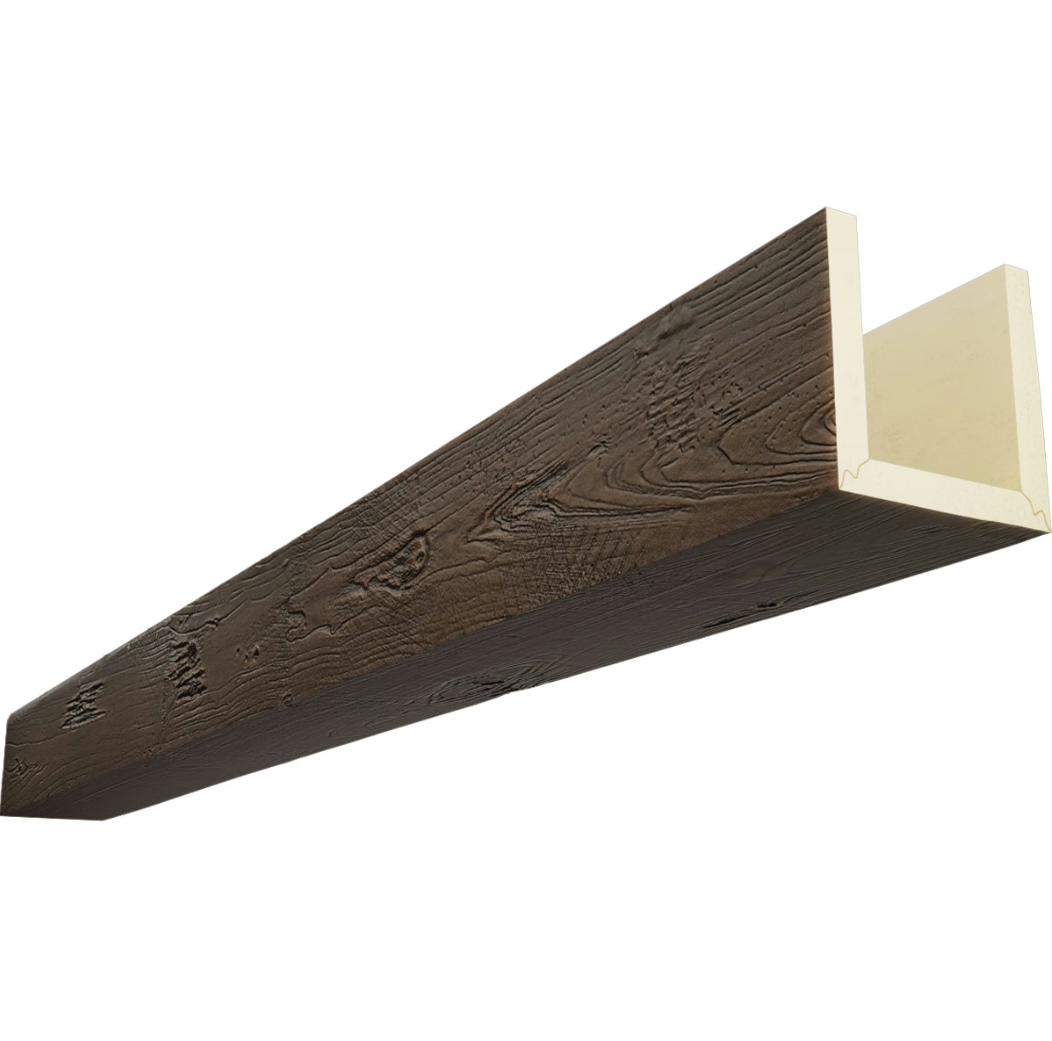
Design Control and Consistency
Achieving a specific aesthetic with natural wood requires accepting inherent variability. Even premium-grade lumber displays grain patterns, color variations, and character marks that differ from piece to piece. Matching beams across a large installation becomes expensive and time-consuming, as installers must sort through inventory selecting pieces that work together.
Polyurethane beams emerge from molds with exact specifications every time. Profile dimensions hold to tight tolerances. Texture depth remains consistent across all pieces. Color saturation matches specified targets precisely. This predictability enables designers to achieve exactly the appearance they envision without compromise or improvisation.
The ability to create custom profiles further distinguishes PU options. If your design requires a specific beam shape not available in standard inventory, manufacturers can produce it. The process accommodates unique dimensions, specialized textures, and custom colors that would be impossible or prohibitively expensive with natural wood. Your architectural vision, not material availability, determines what becomes possible.
Long-Term Appearance Retention
Real wood ages visibly. UV radiation breaks down surface fibers, causing graying and checking. Moisture cycles create cracks and splits. Surface treatments break down and require renewal. Even well-maintained wood beams show their age within a few years, developing patina that some find charming but others find undesirable.
Quality polyurethane resists these aging processes. UV stabilizers incorporated during manufacturing prevent the photodegradation that attacks natural wood. The material doesn't crack, check, or split from moisture cycling. Surface finishes remain intact indefinitely without refinishing or renewal. A ten-year-old PU beam installation looks essentially identical to a newly installed one.
This appearance retention matters for both residential and commercial applications. Homeowners who invest in ceiling beams expect that investment to maintain its appeal over time. Commercial properties need installations that represent the business professionally without requiring constant maintenance attention. PU beams deliver this longevity naturally, without special care or ongoing expense.
Environmental Lifecycle Considerations
Evaluating environmental impact requires holistic analysis rather than simple material origin assumptions. Natural wood is renewable but requires decades to mature, significant processing energy, and eventual replacement when degradation occurs. Transportation of heavy timber consumes substantial fuel. The full lifecycle reveals complexities beyond initial impressions.
Polyurethane production does consume petroleum resources, but the exceptional longevity of finished beams offsets this initial impact. A beam that serves fifty years without replacement consumes fewer total resources than wood requiring replacement every fifteen to twenty years. Manufacturing efficiencies continue improving, reducing the environmental footprint of production over time.
Many manufacturers now incorporate recycled content into their PU beams, further improving environmental credentials. The reduced transportation weight of lightweight beams lowers shipping emissions. When lifecycle analysis considers all factors, PU beams often demonstrate competitive or superior environmental performance compared to natural alternatives.
The question of why polyurethane faux beams surpass real wood beams has a multifaceted answer that addresses practical concerns across installation, performance, maintenance, and aesthetics. These material advantages translate directly to real-world benefits for everyone involved in beam installations—from homeowners enjoying their spaces to contractors completing projects efficiently.
Modern construction increasingly relies on engineered materials precisely because they outperform natural alternatives in measurable ways. PU faux beams exemplify this principle, offering a manufactured solution that genuinely improves upon what nature provides. The choice becomes clear when all factors receive appropriate consideration.
Technical References
ASTM standards cited in every specification
Test Data
Lab results from internal testing program
Updated 2026
Reviewed against current product specs